Home / Arts and Entertainment / Vande Mataram: A Spectacle or a Song?
Vande Mataram: A Spectacle or a Song?
26 Jan
Summary
- Republic Day parade featured a grand Vande Mataram performance.
- Composer M. M. Keeravani orchestrated a large-scale rendition.
- The performance emphasized unity in diversity through music and dance.
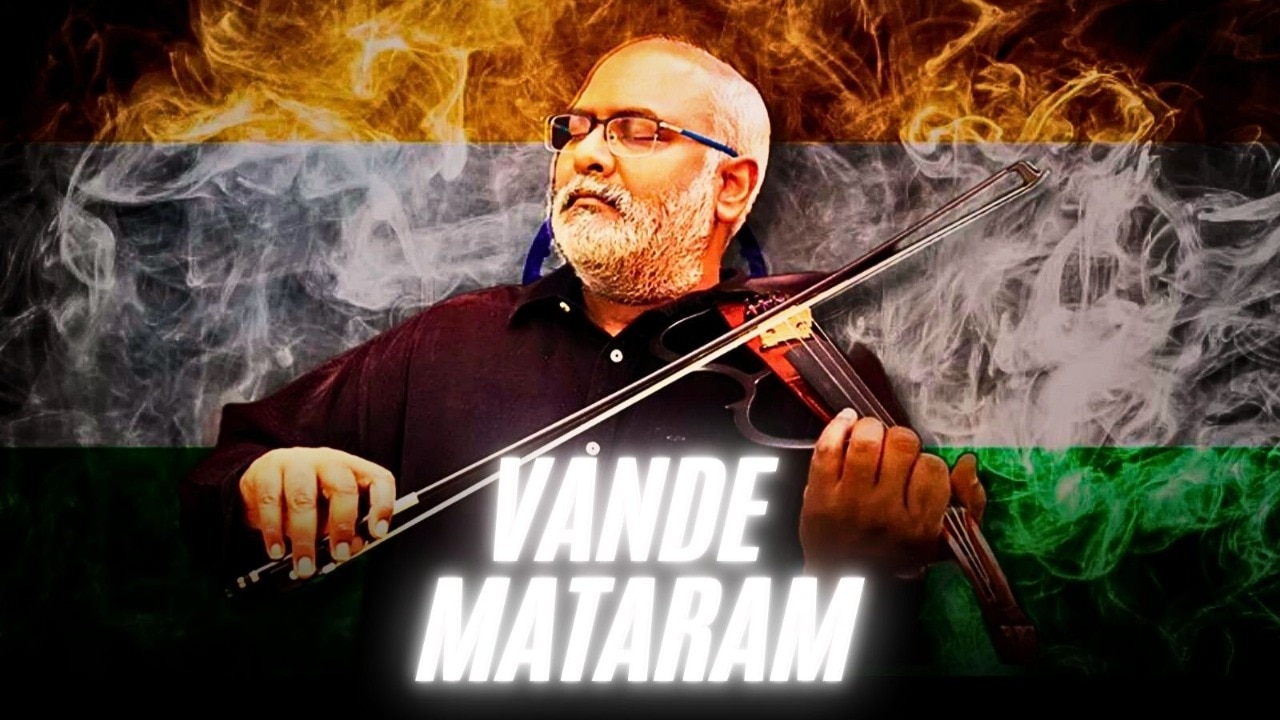
The 2026 Republic Day parade in New Delhi prominently featured a new rendition of Vande Mataram, composed by M. M. Keeravani. This performance was a massive cultural display, incorporating nearly 2,500 participants to illustrate the concept of unity in diversity. The event aimed to be memorable, leveraging both the song's historical significance and Keeravani's Oscar-winning status. Visually, the spectacle was deemed fitting for the occasion, highlighting color, symmetry, and storytelling.
However, detached from the visual grandeur, Keeravani's composition is characterized as a ceremonial piece. It projects its emotional tone immediately and sustains it, prioritizing collective energy and order. The arrangement emphasizes massed choral voices and a broad sonic frame, suggesting an attempt to unify various cultural elements. Shankar Mahadevan's contribution blended into this collective sound, reinforcing the group over individual expression.
This measured, dignified approach, while suitable for a public spectacle, can feel limiting when the music is considered alone. The composition reaches its emotional peak early and continues without significant deepening or outward emotional movement. Unlike previous interpretations, such as A. R. Rahman's rendition which offered a journey, Keeravani's version presents its full feeling upfront and maintains it. This approach honors the specific occasion but may not resonate as deeply with listeners accustomed to evolving emotional arcs.