Home / Arts and Entertainment / Vampires: Centuries of Fear, Fascination, and Fun
Vampires: Centuries of Fear, Fascination, and Fun
21 Feb
Summary
- Vampires symbolize anxieties about humanity and mortality.
- Pop culture vampires range from monstrous to seductive.
- Vampire lore has evolved to reflect societal changes.
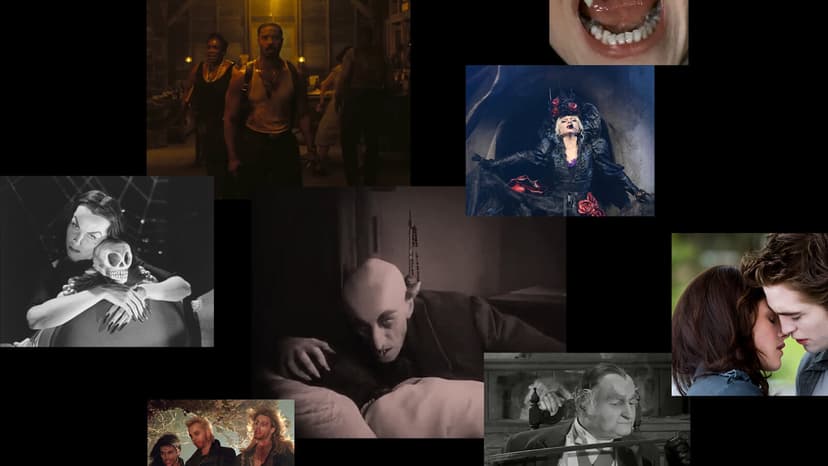
Since Bram Stoker's 1897 novel, vampires have remained a powerful cultural force, explored by artists from Bela Lugosi to Ryan Coogler. These mythological beings tap into anxieties about the "other" and the seductive question of eternal life versus mortality.
Vampires in pop culture span from the purely evil, like Count Orlok in "Nosferatu" (1922), to sophisticated seducers like Christopher Lee's Dracula. They have influenced fashion, music, and even cereal mascots, demonstrating their broad cultural reach.
The trope has evolved to reflect diverse themes including romance, queerness, and social commentary. From "Buffy the Vampire Slayer" to "Twilight," vampires have become metaphors for forbidden desires and societal fears, including addiction and illness.
Vampires also provide comedic fodder, from early parodies like "Abbott and Costello Meet Frankenstein" (1948) to modern series like "What We Do in the Shadows." This range highlights their adaptability as enduring figures in horror and beyond.