Home / Arts and Entertainment / TEFAF Embraces Photography: Old Masters Meet Modern Lens
TEFAF Embraces Photography: Old Masters Meet Modern Lens
5 Mar
Summary
- TEFAF fair in Maastricht now emphasizes photography.
- Photography's art status evolved from 'poor cousin' to crucial medium.
- Fair links contemporary photography to historic Dutch art motifs.
The TEFAF fair, commencing March 14 in Maastricht, Netherlands, is notably increasing its emphasis on photography. This strategic shift aligns with TEFAF's ongoing efforts to integrate contemporary art with its renowned collection of old masters and antiques.
Historically, photography was often viewed as secondary to painting and sculpture. However, its pervasive role in daily communication has led to broader acceptance as a significant art form. This evolving perception makes it an opportune moment for photography's prominent display at TEFAF.
Buchmann Galerie will exhibit 'Contact With Trees' by Anna and Bernhard Blume, a 1987 work addressing environmental damage. The gallery founder noted the historical debate surrounding photography's artistic value, contrasting it with the immediate, color-saturated imagery of today.
This focus on photography is part of TEFAF's decade-long initiative to attract younger collectors and highlight contemporary art. Photography now constitutes about one-third of the fair's offerings, a message TEFAF aims to amplify.
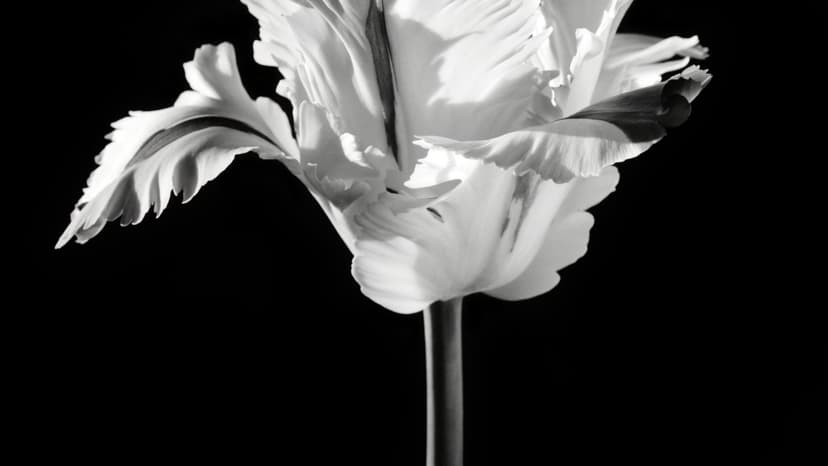
Michael Hoppen Gallery will present abstract maps by Japanese photographer Sohei Nishino, displayed alongside historical maps from the 1800s. Galerie Thomas Schulte is featuring Robert Mapplethorpe's flower photographs, a Focus exhibition that resonates with the motif's importance in Dutch culture.
Schulte noted that Mapplethorpe's minimalist approach to flowers offers a modern interpretation of traditional Dutch still lifes. Erwin Olaf's 1986 photograph 'Tulips' also draws connections to Dutch culture and Mapplethorpe's work.
TEFAF's embrace of photography reflects market trends, as photography has seen rising market value since the mid-1980s. However, the fair prioritizes quality, ensuring that modernization does not compromise its core artistic integrity.