Home / Arts and Entertainment / Super Bowl Halftime: Where Art, Politics, and Pop Collide
Super Bowl Halftime: Where Art, Politics, and Pop Collide
4 Feb
Summary
- Halftime shows magnify art, fashion, choreography, and symbolism for millions.
- Past performances sparked debates on race, gender, and political commentary.
- NFL maintains oversight, yet artists have pushed boundaries with their messages.
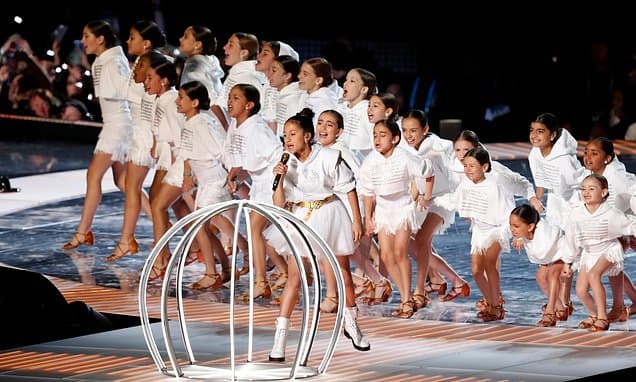
The Super Bowl halftime show transcends mere musical performance, evolving into a significant cultural event that magnifies artistic choices, fashion, choreography, and symbolism for a massive audience. Decades of performances have fueled extensive conversations, often centered on moments that spark controversy or deliver powerful messages.
Incidents like Janet Jackson's 2004 'wardrobe malfunction' led to broadcast reevaluations and debates about uneven professional fallout. More recently, artists like Beyoncé in 2016 used their platforms for cultural declarations with Black Panther-inspired imagery, while Jennifer Lopez and Shakira faced NFL pushback over their 2020 performance's critique of immigration policies. Kendrick Lamar's 2023 show explored themes of identity and power through precise staging and commentary.
These events highlight the ongoing tension between artistic expression and the NFL's oversight. Even subtle gestures, like Eminem's 2022 kneeling, interpreted as a tribute to Colin Kaepernick, or M.I.A.'s 2012 middle finger, have drawn significant attention and regulatory scrutiny. The halftime stage has thus become a powerful arena for artists to convey messages, driving dialogue on a scale unmatched in live television.