Home / Arts and Entertainment / Stereotypes Reimagined: Films Defy Tropes for Deeper Truth
Stereotypes Reimagined: Films Defy Tropes for Deeper Truth
23 Feb
Summary
- Films use stereotypes not to marginalize but to explore character complexity.
- Characters like Marty and Ilya/Shane initially embody harmful tropes.
- Redemption and humanity emerge when characters defy their stereotypes.
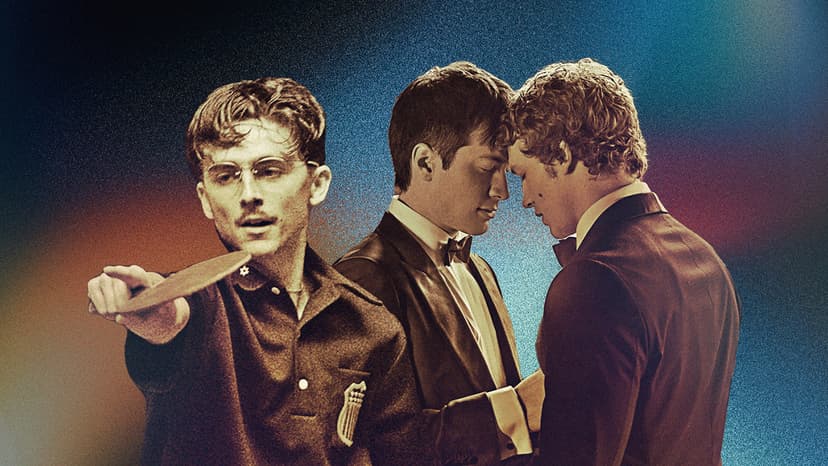
Recent film and television works, such as 'Marty Supreme' and 'Heated Rivalry,' are critically examining how stereotypes can be strategically employed in storytelling. While initially criticized for potentially reinforcing harmful tropes associated with Jewish and gay populations, these narratives use these depictions as a foundation for character development.
The films initially present characters like Marty, a grasping hustler, and Ilya and Shane, narcissistic figures, evoking historical prejudices seen in works like 'Trilby' and 'Silence of the Lambs.' This deliberate portrayal serves as a narrative device, creating tension before revealing the characters' underlying humanity.
Through unexpected acts of selflessness and moments of genuine connection, characters like Marty and Shane demonstrate a quiet redemption. This technique, also seen in 'Sentimental Value,' suggests that stereotypes can be defied to reveal complexity, offering a more nuanced view of human nature than simplistic checklists of values.
These works argue for a pluralistic representation, acknowledging that real people are complex, selfish, and driven by desires for sex and success. By transforming stereotypes into dramatic vehicles, 'Marty Supreme' and 'Heated Rivalry' encourage audiences to reconcile conflicting human urges and recognize the range of human experience.