Home / Arts and Entertainment / Sarod's Journey: Art as Protest & Healing
Sarod's Journey: Art as Protest & Healing
5 Dec, 2025
Summary
- Music communicates feelings and helps process the world's grimness.
- Soumik Datta finds art's purpose in addressing migration and climate.
- The sarod became a bridge back to India after being found at 13.

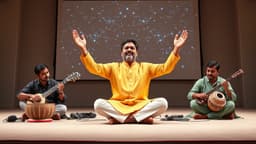
Award-winning sarod virtuoso Soumik Datta views art as a profound means to confront harsh realities, with music serving as a conduit for processing global challenges and fostering collective healing. His project, Melodies in Slow Motion, which recently included a stop in Bengaluru, delves into intricate themes of migration, displacement, and the interconnected conflicts shaping our world, aiming to unite audiences around critical issues.
Datta's personal journey with the sarod began at age 13 when he discovered his grandmother's instrument, leading to lessons from his father and later, Pandit Buddhadev Dasgupta. This experience forged a vital link to his Indian roots while he navigated a bicultural upbringing between London and India, a duality that enriches his artistic expression and approach to humanitarian themes.
Touring offers Datta the chance to immerse himself in new environments and collaborate with diverse acoustic spaces, though he carefully manages the demands of travel. Back home, a disciplined routine splits his day between dedicated practice and creative work, ensuring both technical mastery and innovative artistic output. He observes a growing interest among younger generations in handmade sounds and authentic connections, signaling a genuine resurgence in appreciation for classical Indian instruments.