Home / Arts and Entertainment / Volcano Inspires Avant-Garde Classical Masterpiece
Volcano Inspires Avant-Garde Classical Masterpiece
6 Apr
Summary
- Simon Hanes' "Gargantua" is a unique classical work inspired by Kilauea.
- The piece features an unconventional ensemble of 15 musicians.
- It blends diverse genres, from metal-funk rhythms to classical excerpts.
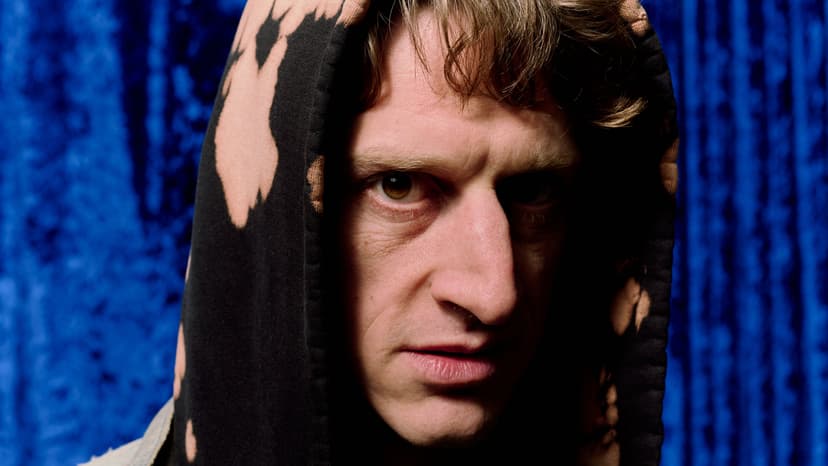
Composer and conductor Simon Hanes has released "Gargantua," a groundbreaking classical composition inspired by the eruption of Hawaii's Kilauea volcano. The hour-long piece, which premiered in New York in 2024, features an ambitious ensemble of 15 musicians, including multiple drummers, bassists, horns, and voices.
Hanes, known for his genre-bending work, describes "Gargantua" as a "full-on pie chart" of his influences, ranging from theory and orchestration to improvisation. The music incorporates elements like heavy-metal-funk rhythms, snippets of film scores, and classical pieces played in reverse.
The composition's genesis involved Hanes immersing himself in nature, notably during a three-week stay near Kilauea. The title and ethos are drawn from Rabelais's 16th-century novel, reflecting themes of anarchy and geological scale. The piece is meticulously scored for three French horns, three trombones, three electric basses, and three drum sets.
"Gargantua" concludes with "Hekla 1970," a sonic imagining of a volcanic eruption, employing the medieval technique of hocketing. This avant-garde work, supported by a private foundation grant, showcases Hanes's ability to create original music in an era of industry austerity, earning praise as a "masterpiece" from fellow composer John Zorn.


