Home / Arts and Entertainment / Santana: Woodstock's Psychedelic Surprise
Santana: Woodstock's Psychedelic Surprise
10 May
Summary
- Santana's Woodstock performance launched them to stardom.
- Afro-Cuban rhythms blended with rock and psychedelia.
- Carlos Santana embraced Latin music through San Francisco immersion.
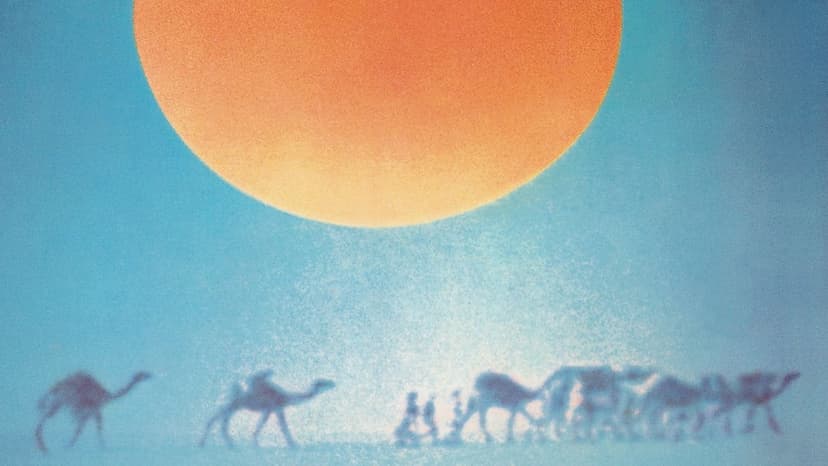
Santana's 1969 Woodstock performance marked their explosive arrival onto the global music scene. The band, previously unknown outside San Francisco, delivered a 45-minute set that was a transcendental blend of rock, psychedelia, and Afro-Cuban rhythms, solidifying their path to stardom.
Guitarist Carlos Santana's musical journey was shaped by his upbringing in Mexico and later San Francisco. Influenced by his father's mariachi music, blues legends, and the vibrant Latin music scene of the Mission district, Carlos initially resisted Afro-Cuban styles.
However, exposure to artists like Tito Puente and Eddie Palmieri in San Francisco clubs transformed his perspective. The incorporation of congas and timbales, alongside blues and rock roots, created Santana's distinctive sound, setting them apart from contemporary bands.
This unique rhythmic foundation powered their successful early albums, including the massive sellers 'Santana' (1969), 'Abraxas' (1970), and 'Santana III' (1971). Carlos Santana's guitar work, noted for its warmth and expressive tone, drew comparisons to greats like Jimi Hendrix and Jeff Beck.


