Home / Arts and Entertainment / Burns's Trees Found: Poet's Legacy Grows
Burns's Trees Found: Poet's Legacy Grows
5 Jun
Summary
- Trees potentially planted by Robert Burns discovered at Ellisland Farm.
- Original floorboards and a neoclassical mantelpiece also found.
- Trust seeks £12m to restore farm as visitor attraction.
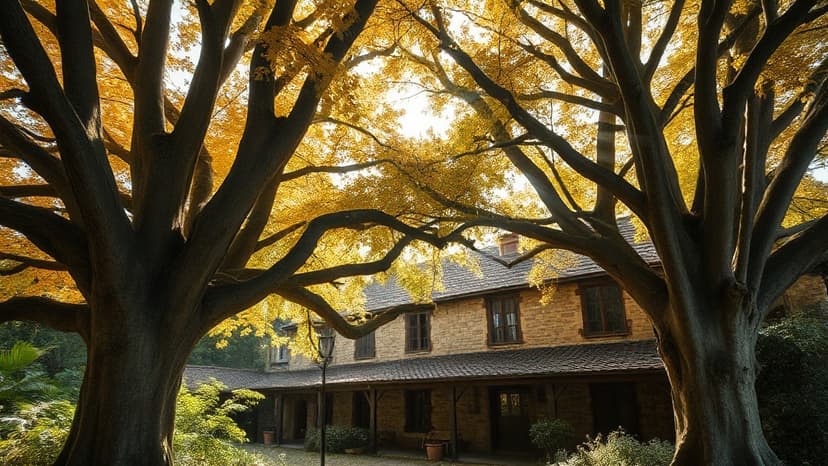
Mature beech trees, possibly planted by Robert Burns over two centuries ago, have been identified at Ellisland Farm, where he wrote "Auld Lang Syne." These trees, found near the Laggan Burn, are among recent discoveries at the farm, which also include original floorboards and a neoclassical wooden mantelpiece.
Burns designed and built Ellisland Farm in 1788. Estate maps from 1787 and 1817 indicate the presence of the beech trees only after Burns's occupancy, suggesting his involvement in their planting during agricultural improvements. The Robert Burns Ellisland Trust is actively fundraising £12 million to restore the Category A-listed buildings and establish the site as a heritage attraction.
Further research has revealed more of Burns's original features remain intact than previously thought. The discovered floorboards, ironmongery, windows, and mantelpiece offer tangible connections to the poet's daily life. Researchers and scholars have meticulously examined documentary sources, including the Barnbougle Papers, to authenticate these findings.
The trust plans public events, including woodland walks and curator-led tours, to mark these discoveries. They aim to secure the farm's future as a significant literary heritage site, allowing visitors to experience Burns's presence for generations to come.


