Home / Arts and Entertainment / Hanji Paper: A Lost Korean Art Revived
Hanji Paper: A Lost Korean Art Revived
17 Aug
Summary
- A Korean American woman is reviving traditional Korean hanji paper.
- Hanji, made from the paper mulberry tree, was once common in Korean homes.
- The craft faces extinction as younger generations do not learn it.
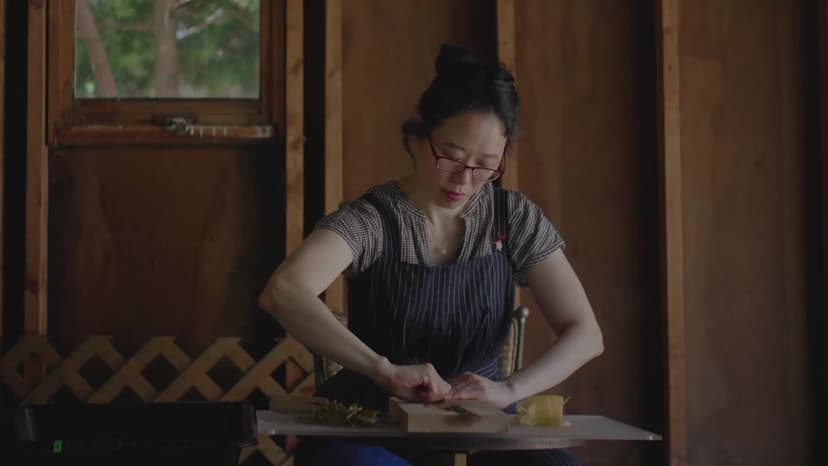
Aimee Lee, a Korean American artist, is dedicated to preserving hanji, a traditional Korean handmade paper. Initially facing distrust from Korean artisans due to her foreign status and age, Lee was determined to learn the craft made from the paper mulberry tree. She was motivated by the lack of information on hanji in English literature, prompting her return to Korea for study.
Lee's process involves harvesting young paper mulberry shoots in late fall, steaming the bark, and scraping away outer layers to reveal the white inner bark. This bark is then cooked in a caustic solution. The refined fiber is mixed with mucilage from hibiscus roots and formed into sheets using a bamboo screen. Each sheet is pressed and dried, then aged for at least a year.
Once a common material for insulation and household items in Korea, hanji has largely faded from modern use, though it appears in some homes and contemporary art. Lee now creates art, including dresses and figurines, using hanji. She believes the craft requires living in harmony with nature and people, and aims to bring this endangered tradition, which she likens to her parents' migration to the US, to a new audience.


