Home / Arts and Entertainment / Ritchie's 'Young Sherlock' Falls Flat
Ritchie's 'Young Sherlock' Falls Flat
4 Mar
Summary
- Series deviates significantly from the beloved Sherlock Holmes character.
- Action focuses on fights and less on deductive reasoning.
- Mid-season plot shifts focus from princess to family backstory.
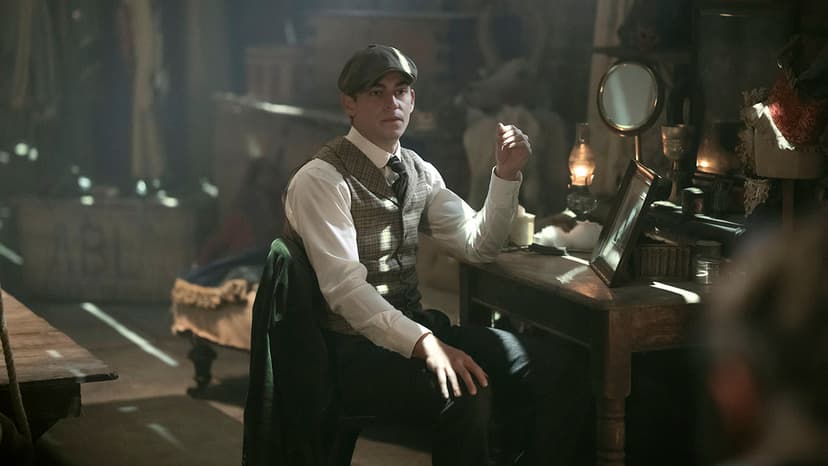
Amazon's eight-episode series, 'Young Sherlock,' developed by Guy Ritchie and Peter Harness, offers a take on the famous detective that veers toward the "dumb" side of Ritchie's creative ledger. The show loosely adapts Andrew Lane's novels, but significantly departs from the character beloved for nearly 140 years.
Set in the "18-whatevers," the series begins with a 19-year-old Sherlock imprisoned in London. Rescued by his brother Mycroft, Sherlock is intended for Oxford but ends up working as an assistant to a school porter. Here, he encounters James Moriarty, who becomes his brilliant but physically adept peer.
The narrative soon involves a Chinese princess, a cabal of academics, and a plot for global domination, intertwined with Sherlock's own family trauma. Colin Firth appears as Sir Bucephalus Hodge, adding a colonialist agenda to the proceedings.
Early episodes, some directed by Ritchie, establish high production values but lack cultural context. The series alternates between predictable Ritchie-esque zaniness, featuring characters in disguise and frequent chases, and a running gag of Sherlock being punched due to his inability to fight.
References to classic Holmes lore, such as the character Lestrade and a deerstalker hat moment, feel like pandering. The portrayal of Moriarty is overly aggressive from the start, lacking the necessary contrast with Sherlock that the absent Watson would have provided.
The focus eventually shifts to Sherlock's parents and deceased sister, overshadowing the initial plot involving the princess. This familial backstory attempts to explain Sherlock's development, but the character himself remains fuzzy and uncompelling, failing to connect with his iconic deductive prowess.
Despite a sluggish and overextended mid-season, the final two episodes pick up pace with global adventures and twists. While the series doesn't fully flesh out Sherlock's intellect or his relationship with Moriarty, it ends with a renewed energy. The article suggests a more streamlined six-episode series or a 100-minute film could have retained momentum, leaving open the possibility of future seasons to further develop the character.