Home / Arts and Entertainment / Kahn's 'A Place to Heal': Vitality in Adolescent Psychiatry
Kahn's 'A Place to Heal': Vitality in Adolescent Psychiatry
4 Sep
Summary
- Film centers on teen resilience in psychiatric care, not just illness.
- Director Cédric Kahn immersed himself in psychiatric wards for authenticity.
- The movie highlights the collective healing power among young patients.
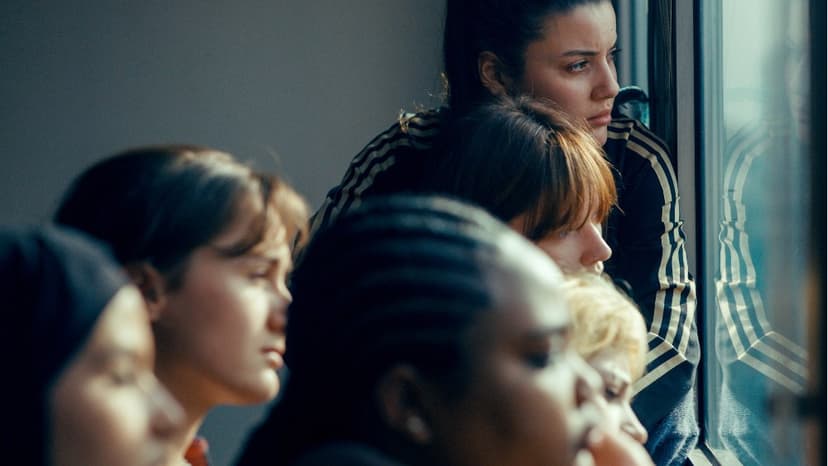
Director Cédric Kahn's latest film, "A Place to Heal," shifts focus from clinical diagnoses to the remarkable resilience of adolescents within a psychiatric setting. Despite addressing difficult themes like eating disorders and suicide attempts, the movie maintains a luminous tone, infused with humor and joy.
Kahn and co-writer Kahina Le Querrec conducted extensive research, immersing themselves in adolescent psychiatric wards for six months. This firsthand experience informed the film's authentic portrayal of 12 young patients and 10 caregivers, transforming real-life observations into fictionalized, recognizable stories.
The film emphasizes the significant role peers play in each other's recovery, portraying the ward as a place where teenagers form a collective support system. Kahn notes the coexistence of "morbid impulse and vital impulse" as a defining characteristic of these vulnerable environments.
Reflecting a growing global conversation on youth mental health, the film reveals how today's teenagers approach psychiatric illness with less taboo than previous generations. Kahn himself plays Etienne, the chief psychiatrist, a character modeled on a real-life physician known for treating young patients with respect and intelligence.
"A Place to Heal" also touches upon the pressures on France's public psychiatric system, acknowledging the increasing demand for care. However, it simultaneously celebrates the inclusive nature of public hospitals, which welcome individuals from all backgrounds, underscoring that mental illness transcends social strata.
Cinematographer Patrick Ghiringhelli employed a three-camera setup to capture the dynamic interactions, enhancing the film's evolving tone from documentary-style observation to a more romantic exploration of the adolescents' desire for escape. Kahn aimed for a timeless quality, hoping the film remains relatable and contemporary for years to come, always leaving a glimmer of hope for the audience.


