Home / Arts and Entertainment / TV Show 'The Pitt' Redefines Death Depictions
TV Show 'The Pitt' Redefines Death Depictions
21 Mar
Summary
- TV show accurately portrays death and dying, a rare media feat.
- End Well consulted on 'The Pitt' to ensure realistic end-of-life care.
- Authentic on-screen deaths encourage viewers to discuss advance directives.
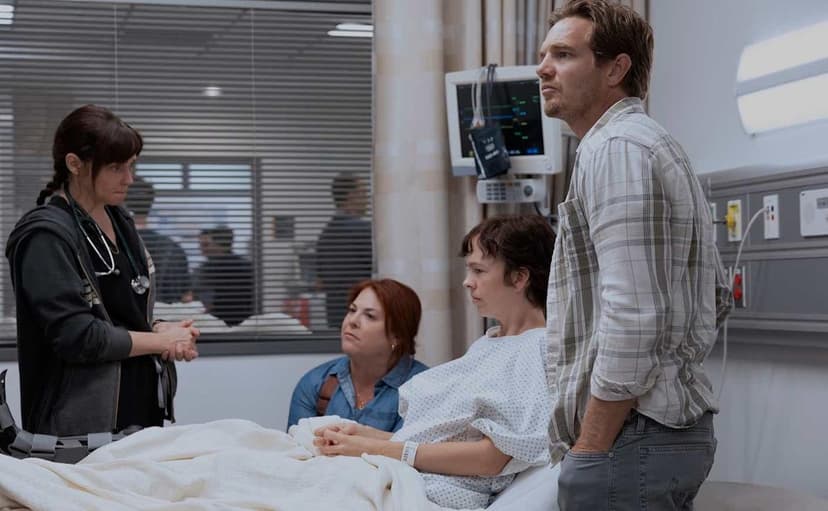
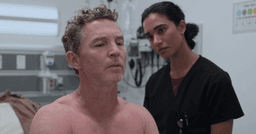
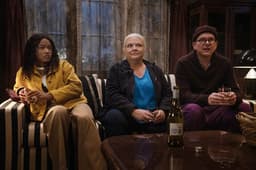
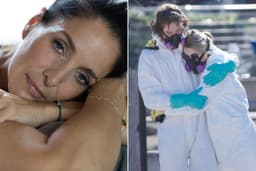
The medical drama 'The Pitt' is making waves for its realistic portrayal of death and dying, a subject rarely depicted authentically in media. Dr. Shoshana Ungerleider, founder of End Well, an organization dedicated to transforming perceptions of end-of-life experiences, collaborated with the show's creators.
Ungerleider's research found that over 80 percent of on-screen deaths were violent, with only about 4.3 percent from illness, highlighting the media's inaccurate representation. 'The Pitt' aims to bridge this gap, offering medically accurate and emotionally honest depictions of caregiving, grief, and illness.
The show emphasizes the human element within medicine, even during uncertain and emotionally charged moments. It also captures the significant emotional toll healthcare professionals experience, acknowledging that clinicians carry grief from patient losses.
Authentic end-of-life stories, like those in 'The Pitt,' are shown to encourage viewers to discuss personal wishes and complete advance directives. The show's creators sought to understand the realities faced by clinicians, patients, and families, focusing on values such as honoring silence, acknowledging uncertainty, and empowering patient decisions.
Specific scenes, like a doctor pausing to make eye contact while delivering difficult news, underscore the importance of compassionate communication. The introduction of a death doula and the portrayal of a terminal cancer patient, Roxie, who chooses not to die at home, further explore complex end-of-life scenarios.
'The Pitt' also sheds light on the use of palliative care, such as morphine for suffering relief, framing it as a compassionate response rather than a dramatic crisis. The series prompts viewers to consider the broader question of what constitutes a 'good death,' validating diverse choices and the dignity inherent in the end of life.