

Home / Arts and Entertainment / The Pitt: Actor Explores Physician Suicide's Toll
The Pitt: Actor Explores Physician Suicide's Toll
19 Apr
Summary
- Physician suicide rates are alarmingly high, impacting many doctors yearly.
- A real-life tragedy mirrored the show's fictional storyline about a doctor.
- The show sensitively explores mental health struggles of medical professionals.
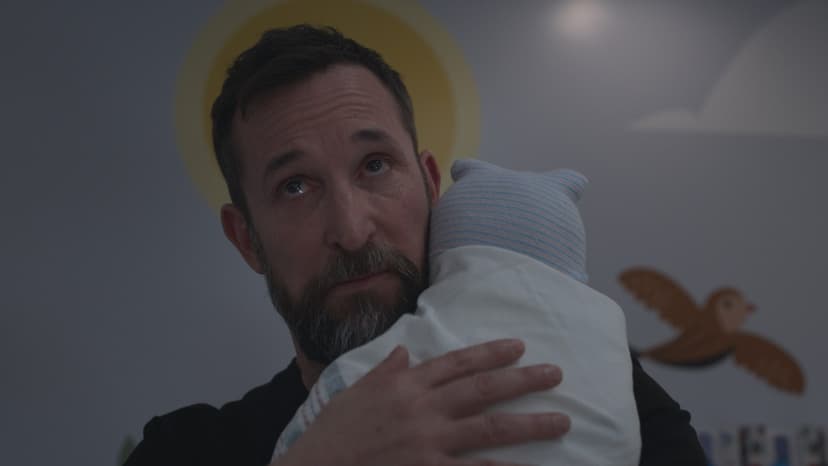
The second season finale of HBO Max's "The Pitt" delved into the mental health struggles of its main characters, Dr. Jack Abbot and Dr. Michael "Robby" Robinavitch. This isn't the first time the show has addressed suicide; the topic appeared in the series' inaugural episode and resurfaced in season one when Robby contemplated ending his life. These on-screen portrayals are informed by stark statistics, with the American College of Emergency Physicians reporting 300 to 400 physician suicides annually. The American Medical Association confirms that physicians face higher risks of suicide and suicidal ideation compared to the general population. The show's creative team received a profound real-life reminder of this issue midway through production. A director's friend, a respected doctor who had navigated the challenges of COVID-19, died by suicide. This event amplified the cast and crew's commitment to portraying the sensitive subject matter with authenticity and urgency.
Actor Noah Wyle, who plays Dr. Robby, shared that the decision to further explore Robby's mental health journey in season two was driven by the desire to depict a relatable scenario: the person everyone relies on for help being in the deepest trouble. This led to the exploration of themes like 'who helps the helpers' and the isolation experienced by those in leadership positions. Portraying Robby's descent into a dark mental health space was emotionally taxing for Wyle, requiring careful nuance to avoid gratuitousness. The finale's closing scene, with Robby holding an abandoned baby, offered a moment of catharsis, allowing him to share his deep-seated emotions in a private, symbolic space. Looking ahead to season three, the writers are focusing on character-driven narratives, resisting the urge to expand the show's scope despite growing popularity, aiming for authenticity by detailing the experiences within their immediate hospital community.
