

Home / Arts and Entertainment / Pitcairn Register: Women's Resilience Emerges
Pitcairn Register: Women's Resilience Emerges
19 Apr
Summary
- Register details lives of Tahitian women enslaved by mutineers.
- The document records births, marriages, and deaths of descendants.
- Register returns to South Pacific for first time after centuries.
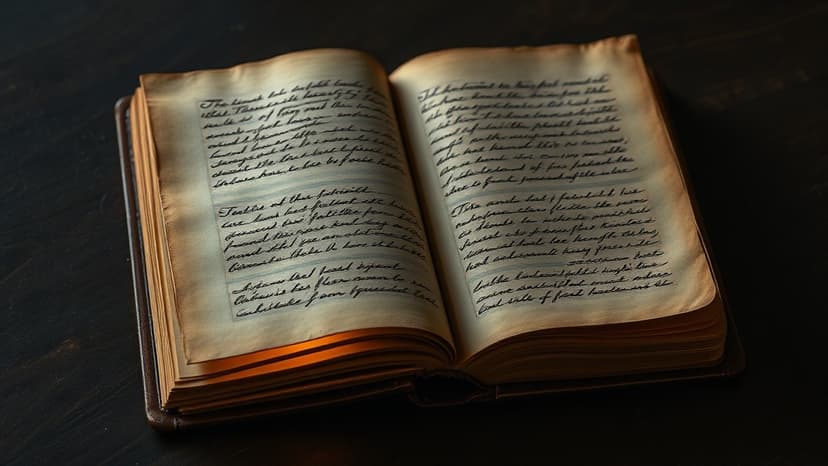
The Pitcairn Register, a 19th-century handwritten record of the descendants of the Bounty mutineers and the Tahitian women they enslaved, is making its way back to the South Pacific. This foundational document details births, marriages, and deaths of those who settled on Pitcairn Island after the notorious 1789 mutiny.
Arriving on Pitcairn Island in 1790, nine mutineers brought 12 Tahitian women and six men, forcing them into slavery. The register reveals the vital contributions and resilience of these women, whose skills in agriculture and textile production were essential for survival. Their experiences offer a crucial counterpoint to the male-dominated historical narratives of the mutiny.
Nearly 40 years after the mutiny, sailor George Hunn Nobbs began maintaining the register, later entrusted to John Buffett. Damaged in 1854, it was given to an acquaintance and eventually donated to London's National Maritime Museum. It is now being lent to the Norfolk Island Museum Trust for display.
Descendants on Norfolk Island, where over 25% of the population traces ancestry to the mutineers, crowdfunded to bring the register "home." The document is considered sacred, marking the beginning of their people's story and illuminating the strength and resourcefulness of the Tahitian women.
