Home / Arts and Entertainment / Peggy Guggenheim: Art Maverick Defied Nazis &aned Art
Peggy Guggenheim: Art Maverick Defied Nazis &aned Art
23 Nov
Summary
- She rescued modernist masterpieces from Nazi confiscation.
- Guggenheim championed artists like Rothko and Pollock early.
- Her avant-garde gallery challenged the traditional British art scene.
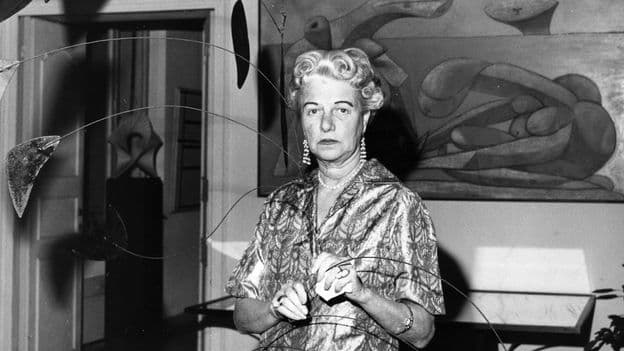
Peggy Guggenheim, a figure of immense wealth and bohemian spirit, is celebrated for her courageous rescue of modernist art from Nazi confiscation. She also played a pivotal role in launching the careers of influential 20th-century artists such as Mark Rothko and Jackson Pollock.
Her early experiences in a New York avant-garde bookshop fueled her independent spirit, leading her to establish the Guggenheim Jeune gallery in London. This venue became a crucible for groundbreaking international art, showcasing works by artists like Kandinsky and Tanguy, and challenging the conservative British art world.
During World War II, Guggenheim bravely saved numerous artworks destined to be labeled "degenerate" by the Nazis. Her collection, including pieces by Picasso and Magritte, was eventually transported to New York, narrowly escaping confiscation.
In New York, she opened the Art of This Century gallery, which became a vital platform for Abstract Expressionists like Pollock and Rothko, and prominently featured female artists in groundbreaking exhibitions. Her candid autobiography later brought her personal life into public focus.
Ultimately, Guggenheim realized her dream of creating a museum in Venice, which stands today as a major contemporary art institution. Her legacy is defined by her profound impact on 20th-century art and her fearless advocacy for artistic innovation.


