Home / Arts and Entertainment / Oscars 2026: Ceremony Date Strains Hollywood's Attention Span
Oscars 2026: Ceremony Date Strains Hollywood's Attention Span
2 Mar
Summary
- The 2026 Oscars are scheduled for March 15, unusually late and after major film festivals.
- This late date risks audience fatigue with nominated films seen months earlier.
- Previous date shifts aimed to preserve prestige but may now diminish it.
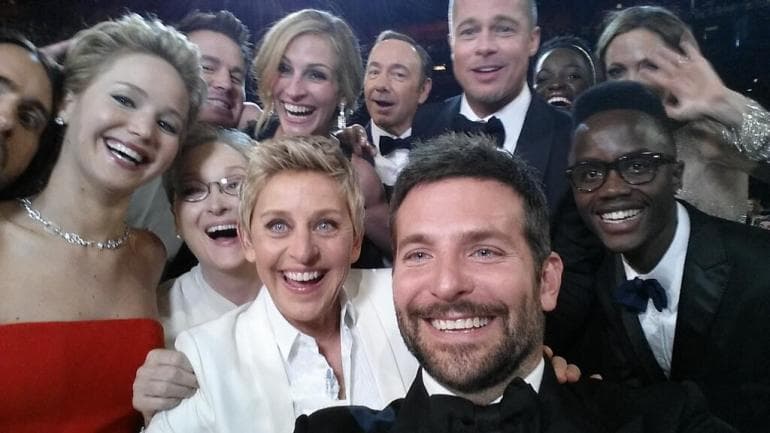
The 2026 Oscars ceremony, scheduled for March 15, is facing scrutiny for its exceptionally late date. This timing presents a significant challenge, as the event will occur weeks after the Winter Olympics conclude and a considerable time after films were initially released, potentially making the ceremony feel like old news.
Historically, Oscar ceremonies have shifted dates, moving from April in the 1960s to late February by the 1990s to maintain relevance. However, the current March 15 date means audiences have had months to form opinions on nominated films, which were first seen at festivals as early as last August or April. This extended period could lead to viewer weariness with familiar contenders.
The Academy's past reasoning for date shifts, including moving the ceremony up in the 2000s, was to preserve prestige by keeping the honored films fresher in the public's mind. The current strategy, however, appears to contradict this, risking a diminished impact and audience disengagement.
Recent years, particularly following the COVID-19 pandemic, have seen the Oscars date shift somewhat erratically within March. The lengthy awards season, with nominees having been widely available on streaming and PVOD for months, cuts against current entertainment trends. This prolonged campaign may also tire out talent, as exemplified by past nominees who seemed exhausted by ceremony time.
While a longer awards season can generate suspense for dedicated fans, the risk for the Academy is significant audience tuning out. The extended timeline for the 2026 Oscars, occurring long after films debut and potentially far removed from audience initial engagement, could prove detrimental to viewership and the ceremony's cultural relevance.