
Home / Arts and Entertainment / Pynchon's 'Vineland' Inspires Thrilling New Film 'One Battle After Another'
Pynchon's 'Vineland' Inspires Thrilling New Film 'One Battle After Another'
26 Sep, 2025
Summary
- Director Paul Thomas Anderson's new film "One Battle After Another" is inspired by Thomas Pynchon's 1990 novel "Vineland"
- The film retains key characters and themes from the book but takes a more grounded, contemporary approach
- "One Battle After Another" explores the aftermath of the 1960s counterculture movement in a chilling, yet entertaining way
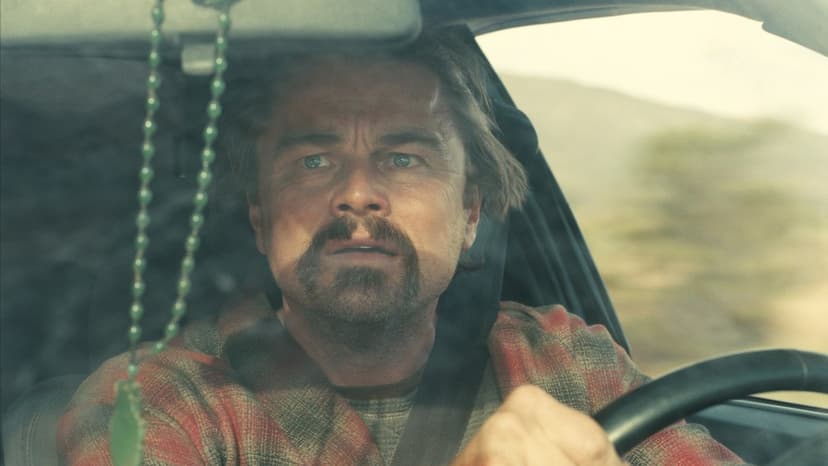
Paul Thomas Anderson's new film "One Battle After Another," which hit theaters last month, is inspired by Thomas Pynchon's 1990 novel "Vineland." The director, a longtime fan of Pynchon's work, has long expressed interest in adapting the post-modern author's complex stories for the screen.
While "One Battle After Another" retains key elements from "Vineland," such as the characters and broad narrative premise, Anderson has taken a more grounded, contemporary approach in his interpretation. The film follows an ex-revolutionary named Bob Ferguson, played by Leonardo DiCaprio, who is forced back into action after his daughter Willa (Chase Infiniti) is kidnapped by a former adversary, Colonel Steven J. Lockjaw (Sean Penn).
This rescue mission narrative mirrors the plot of "Vineland," in which the protagonist Zoyd Wheeler's daughter Prairie is abducted by federal prosecutor Brock Vond. However, Anderson's version delves deeper into the emotional journeys of the characters, giving them a level of depth and relatability that Pynchon's more archetypal figures often lack.
Ultimately, "One Battle After Another" explores the lasting impact of the 1960s counterculture movement, and how the ideals of that era have evolved or been compromised in the decades since. The film's chilling depiction of contemporary American politics and law enforcement tactics adds a layer of social commentary that feels particularly relevant in the current climate, even as it retains a sense of Pynchon's trademark absurdist humor.
