Home / Arts and Entertainment / Odyssey's Scarcity Strategy Rewrites Blockbuster Rules
Odyssey's Scarcity Strategy Rewrites Blockbuster Rules
20 Jul
Summary
- Film's marketing treated footage as a reward for theatrical attendance.
- Advance screenings were limited to critics, not influencers.
- An extended theatrical window ensured exclusivity for months.
Christopher Nolan's "The Odyssey" debuted with a staggering $260 million worldwide, driven by a novel marketing campaign. This strategy prioritized treating film footage as a reward for theater-goers rather than content for broad online distribution.
The film's first teaser appeared exclusively in cinemas, with only leaked versions circulating online. A six-minute prologue was shown ahead of specific rereleases, conditioning audiences to see new material only in theaters. This scarcity principle extended to advance screenings, which were exclusively for critics, a departure from typical influencer-based promotions.
Universal Pictures also secured an extended theatrical window, keeping "The Odyssey" in cinemas for a minimum of five weekends. This, coupled with exclusive IMAX bookings, generated genuine scarcity, a foundational element rather than a cosmetic one. The film's unique shooting on IMAX 70mm cameras also supported this premium format strategy.
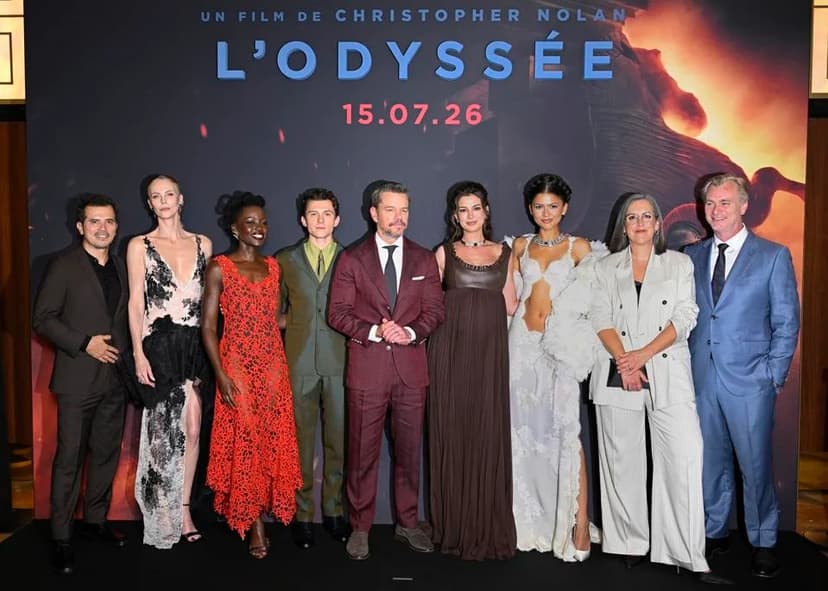
The cast, including Matt Damon and Tom Holland, contributed to the buzz through interviews and premieres, providing quotable material for media coverage. However, pre-release attention was also fueled by casting controversies, which the studio did not aggressively counter.
While successful, the campaign primarily targeted an existing moviegoing audience. It could have been enhanced by parallel content streams, such as behind-the-scenes diaries or creator partnerships, to attract younger viewers. Unused opportunities included music marketing tie-ins for Ludwig Goransson's score and Travis Scott's role.
Ultimately, Universal's disciplined, format-first campaign demonstrated that scarcity and protecting the theatrical experience can significantly boost a film's performance, offering a potent lesson for future studio strategies.


