Home / Arts and Entertainment / NZ Vogue Balls: From Lounges to National Museum
NZ Vogue Balls: From Lounges to National Museum
2 Jan
Summary
- Ballroom culture, born in 1960s Harlem, thrives in NZ's queer communities.
- Performers showcase authentic selves, blending drag, dance, and fashion.
- A national museum hosted a large vogue ball, marking mainstream acceptance.
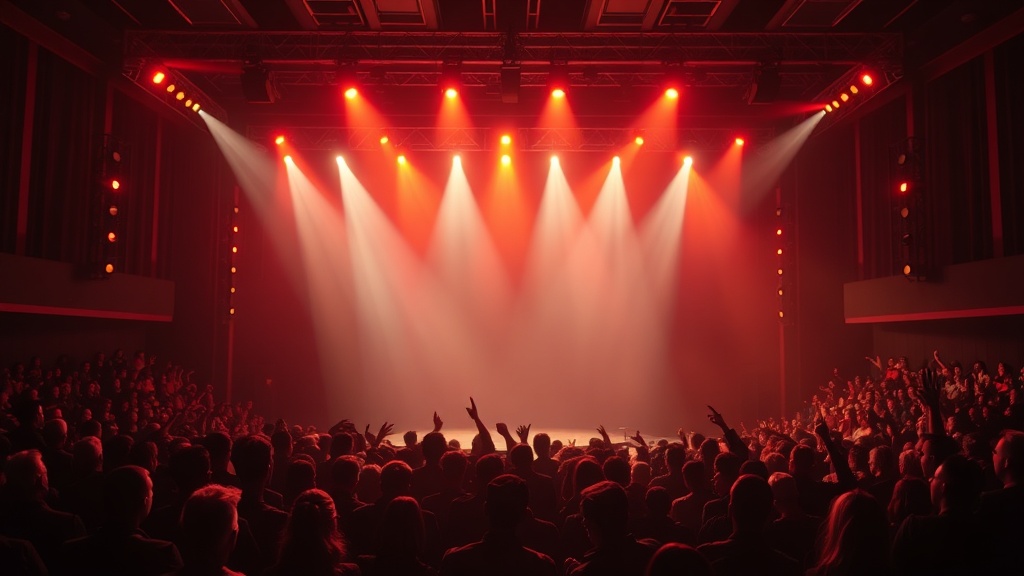
Vogue balls, a dynamic performance art form originating in 1960s Harlem, have found a powerful new home within New Zealand's Māori and Pasifika queer communities. These events, blending drag, dance, and fashion, have evolved from private gatherings to commanding stages at national institutions. The culture serves as a vital outlet for self-expression and resistance for marginalized bodies, allowing them to exist authentically and unapologetically.
Initially starting in Auckland over a decade ago, led by trans Pasifika and Māori individuals seeking community, ballroom culture has seen significant growth. Performances that once occurred in living rooms now fill major venues. A recent, large-scale ball held at Wellington's Te Papa Tongarewa museum in October showcased this evolution, highlighting the community's increasing visibility and acceptance.
New Zealand's ballroom scene uniquely integrates Māori and Pasifika influences into music, styling, and cultural references. This distinct tone reflects a deep connection to identity. The culture also continues its tradition of political resistance, with recent events at art museums demonstrating acts of defiance against controversial government policies, mirroring the spirit of its origins.