Home / Arts and Entertainment / Nolan's Odyssey: A War Vet's Haunting Psychodrama
Nolan's Odyssey: A War Vet's Haunting Psychodrama
18 Jul
Summary
- Nolan's film portrays Odysseus as a traumatized veteran, not just a hero.
- The Trojan War is depicted as ignoble, driven by trade, not honor.
- Odysseus' journey is a psychodrama confronting guilt and betrayal.
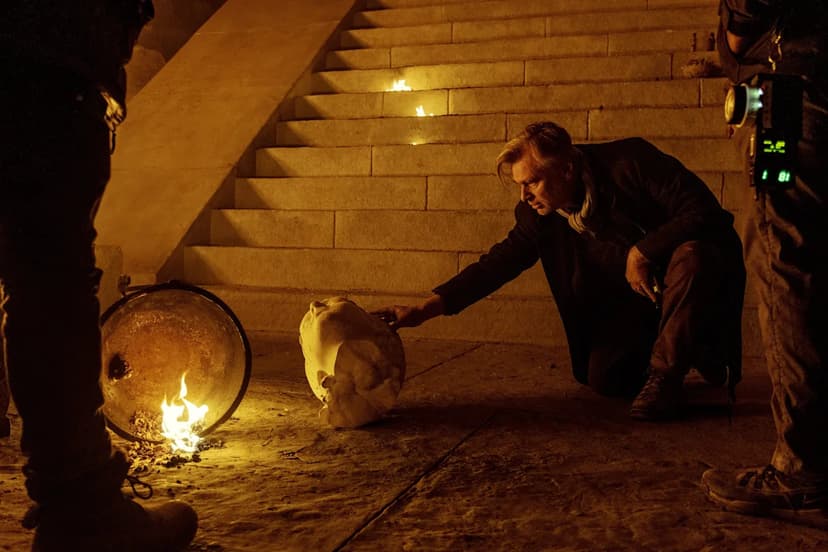
Christopher Nolan's "The Odyssey" presents a profound psychodrama, portraying Odysseus (Matt Damon) as a guilt-ridden veteran of the Trojan War. The film challenges the epic's heroic narrative, suggesting the war was ignoble, a pretext for trade routes, not an honorable conflict.
Nolan emphasizes the emotional weight of Odysseus' journey, using apparent magic to frame the characters' perceptions. The narrative delves into Odysseus' reluctance to remember his past trauma, even when enabled by Calypso (Charlize Theron).
The film reframes key events, such as the Trojan Horse, as profound betrayals that violated sacred edicts. The ancient concept of 'xenia' (hospitality) is central, highlighting its importance for civilization but also its exploitation.
Odysseus' survival hinges on others' adherence to 'Zeus' law,' yet his own violation of it through the Trojan Horse massacre leads to a world-threatening chain reaction. He becomes responsible for the collapse of his own civilization.
The goddess Athena (Zendaya) appears as Odysseus' conscience, guiding him towards confronting his role in the war's atrocities. The film suggests Odysseus may not truly want to return home, fearing the confrontation with his wartime self.


