Home / Arts and Entertainment / Nolan's Odyssey: War, Betrayal, and Cosmic Shame
Nolan's Odyssey: War, Betrayal, and Cosmic Shame
20 Jul
Summary
- Odysseus disguised himself as a beggar upon returning to Ithaca.
- Nolan's film links the Trojan Horse to violating Zeus' Law.
- The movie connects Odysseus's actions to the Bronze Age collapse.
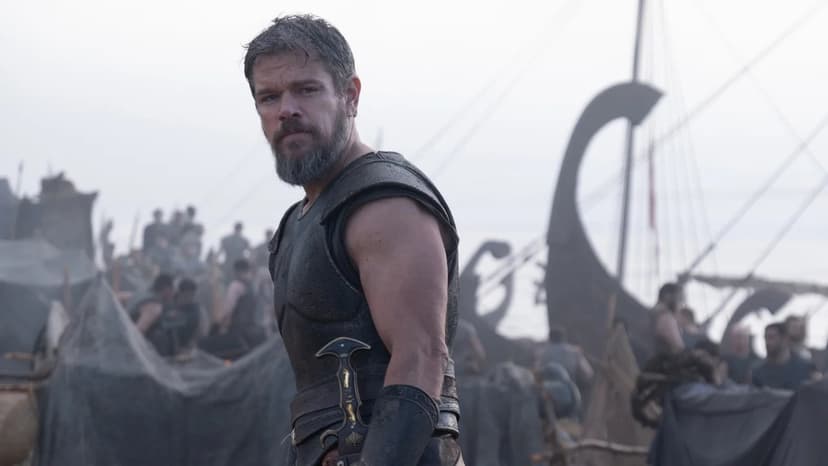
Christopher Nolan's "The Odyssey" concludes with a reevaluation of Odysseus's epic journey and its connection to world history.
Returning to Ithaca disguised as a beggar, Odysseus confesses to Penelope his shame regarding the Trojan War and his men's actions. A flashback reveals the Trojan Horse not as a heroic stratagem, but as a violation of Zeus' Law, an act that shattered societal trust.
Zendaya's portrayal of Athena is reinterpreted, suggesting she may be a figment of Odysseus's imagination, symbolizing Penelope's presence and deepening his guilt. The film links Odysseus's men to the destructive "People From the Sea."
Nolan draws parallels between "The Odyssey" and "Oppenheimer," noting how both protagonists grapple with their contributions to potential devastation. The film concludes with Odysseus and Penelope sailing into exile, acknowledging that their story, like much of Grecian writing, would survive through oral tradition after the Bronze Age collapse.
This ending reflects the loss of written language following the Bronze Age around the 12th century BCE, preceding the scribing of Homer's epic centuries later. It suggests stories endure beyond societal destruction, a theme echoed in the film's opening bard's song.


