Home / Arts and Entertainment / Nolan's Odyssey: Goya's Monster Inspires Cyclops Terror
Nolan's Odyssey: Goya's Monster Inspires Cyclops Terror
19 Jul
Summary
- Cyclops in 'The Odyssey' film inspired by Goya's 'Saturn Devouring His Son'.
- Goya's painting depicts Cronus eating his children to avoid prophecy.
- Homer's original text describes the cyclops' feast as brutally graphic.
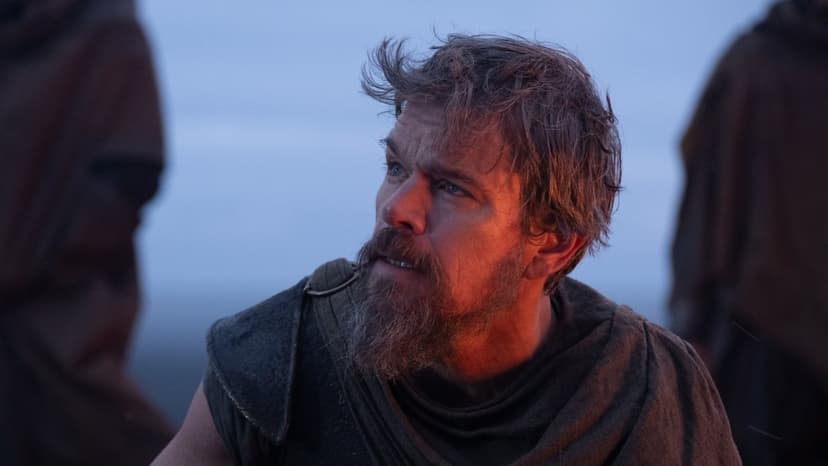
Christopher Nolan's cinematic take on Homer's 'The Odyssey' draws upon ancient literature and art history. A particularly striking element is the depiction of the cyclops, Polyphemus, whose terrifying appearance and gruesome feast are inspired by Francisco Goya's early 1820s masterpiece, 'Saturn Devouring His Son'.
Nolan confirmed that the cyclops' monstrous form and violent consumption of soldiers echo Goya's horrific interpretation of the myth. In the ancient Greek story, Saturn (Cronus) devoured his children to avert a prophecy of being overthrown. Goya's painting vividly captures this act of infanticide and cannibalism.
This visual inspiration extends to Polyphemus, son of Poseidon, who is shown feasting on Greek soldiers in a manner akin to a wild child. Homer's original text, as translated by Emily Wilson, also presents an unsparingly graphic account of the cyclops' brutal meal, ensuring the horror resonates across millennia.


