Home / Arts and Entertainment / Nolan's Odyssey: Gods Gone, New 'Sea People' Emerge
Nolan's Odyssey: Gods Gone, New 'Sea People' Emerge
21 Jul
Summary
- Nolan omits gods, offering a grounded, human perspective.
- A 'people from the sea' concept alludes to Bronze Age collapse.
- The film hints at the Dark Ages and loss of written language.
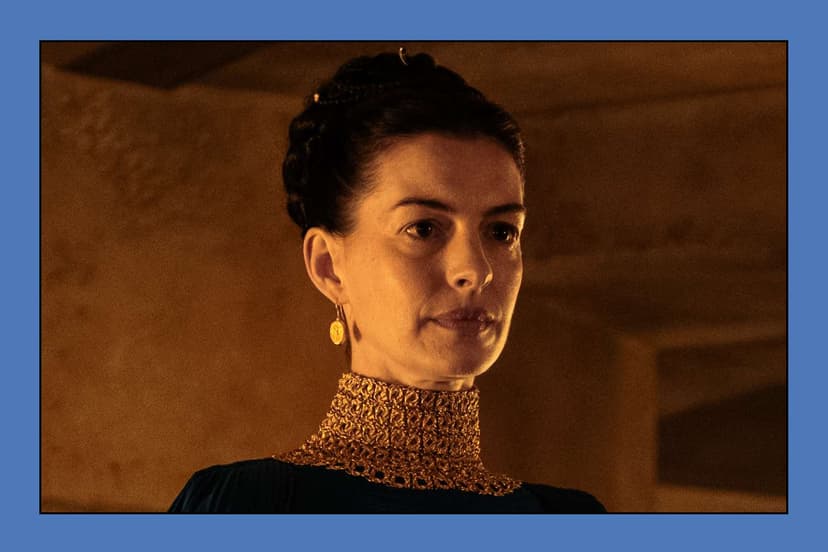
Christopher Nolan's adaptation of Homer's The Odyssey introduces compelling changes to the classic epic. The film notably omits the traditional depiction of gods, opting for a more grounded, human-centric narrative. This artistic choice allows for a focus on psychological depth and relatable human struggles.
Central to Nolan's interpretation is the mysterious concept of 'the people from the sea.' This element draws parallels to the Late Bronze Age collapse, introducing an enigmatic historical layer to the story. The adaptation also alludes to the subsequent Dark Ages in Greece, a period marked by the loss of written language.
Nolan’s ending diverges significantly from Homer's poem. In the film, the reunion between Odysseus and Penelope has a dreamlike quality, focusing on honoring lost men and sailing west. Telemachus is crowned king, and the narrative concludes with a poignant reflection on the fragility of memory and the enduring power of stories.


