

Home / Arts and Entertainment / Nintendo's Brand Empire: From Cards to Blockbusters
Nintendo's Brand Empire: From Cards to Blockbusters
30 Mar
Summary
- Nintendo learned IP value from Disney cards in 1959.
- 1993 Mario movie was a commercial failure, a cautionary tale.
- 2023 Super Mario Bros. Movie grossed $1.36 billion worldwide.
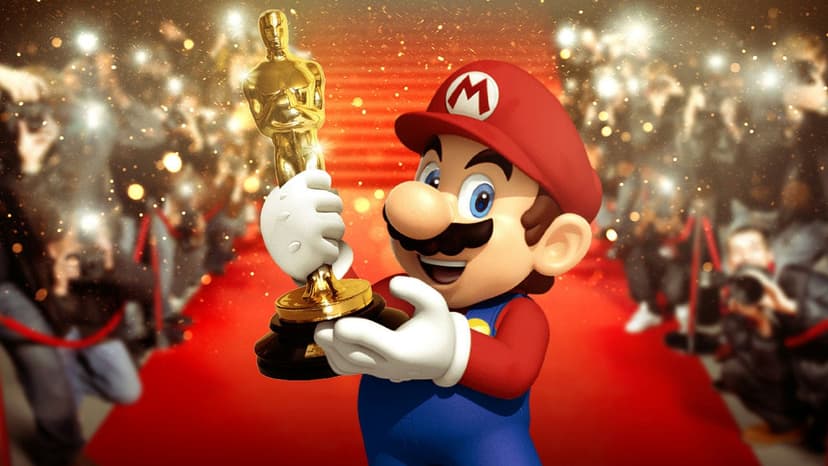
Nintendo's transformation into a multifaceted entertainment powerhouse began with a pivotal 1959 deal with Disney for branded playing cards, teaching the company the significant value of beloved characters. Early stumbles, like the flop of Radar Scope, led to Shigeru Miyamoto creating Donkey Kong in 1981 by repurposing hardware.
The original Super Mario Bros. movie in 1993, despite attracting A-list talent, became a commercial failure and a notorious cautionary tale for video game adaptations.
This disaster led Nintendo to withdraw from Hollywood for three decades, focusing on its games and carefully controlling its IP through licensed art and merchandise. The company's resurgence in the mid-2000s with the Wii and DS hardware created a premium brand persona.
In 2015, Nintendo adopted a three-pillar strategy: mobile, hardware, and maximizing IP. This led to successful theme park ventures with Universal and a major partnership with LEGO.
The 2023 Super Mario Bros. Movie, co-financed by Nintendo with Miyamoto as co-producer, grossed $1.36 billion worldwide. This success, coupled with the opening of Super Nintendo World, solidified Nintendo's strategy of IP diversification.
Nintendo now owns an animation studio and is producing a Legend of Zelda movie with Sony. This expansive IP strategy, learned from early stumbles and market shifts, ensures Nintendo's brand extends far beyond its video game origins.
