Home / Arts and Entertainment / Nightmare Before Christmas Scents: Science & Scandal
Nightmare Before Christmas Scents: Science & Scandal
12 Aug
Summary
- Jack's scent needs dead wood; Sally's coumarin is banned.
- Palo Santo's aroma develops only after the tree naturally dies.
- Coumarin, banned in US food since 1954, founded synthetic perfumery.
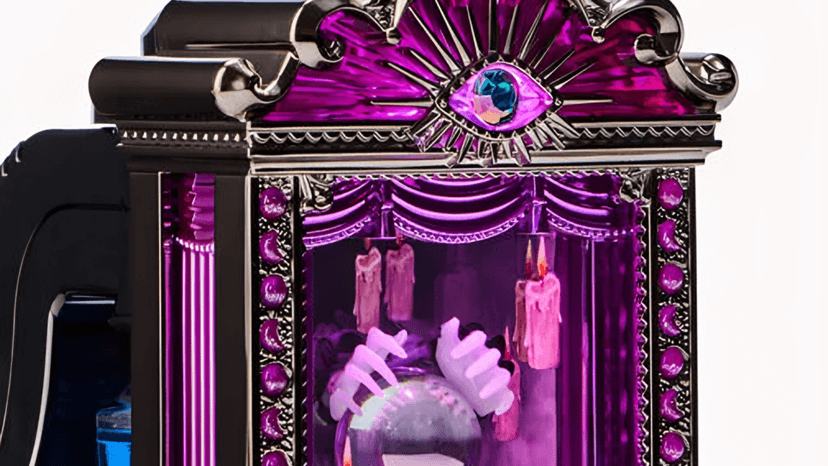
Bath & Body Works launched a *Nightmare Before Christmas* collection on August 17, 2026, featuring fragrances for Jack Skellington and Sally. Jack's scent, "Glowing Palo Santo," derives from *Bursera graveolens* wood, which requires natural death and post-mortem aging for its aromatic compounds to develop. This mirrors Jack's character, existing between life and death.
Sally's fragrance, "Forbidden Tonka," uses coumarin, the primary compound in tonka beans. Synthesized in 1868, coumarin launched the modern perfumery industry but has been a banned food additive in the US since 1954 due to toxicity concerns. This reflects Sally's rebellious, transgressive character.
The collection also includes an innovative layered wax candle, akin to the film's ambitious stop-motion animation. The film's distinctive visual style, inspired by German Expressionism and *The Cabinet of Dr. Caligari* (1920), contributes to its Gothic aesthetic, reimagined for commercial appeal.


