Home / Arts and Entertainment / McDonagh's 'Wild Horse Nine': Hope Amidst U.S. Misadventures
McDonagh's 'Wild Horse Nine': Hope Amidst U.S. Misadventures
31 Oct
Summary
- Martin McDonagh's new film 'Wild Horse Nine' tackles CIA actions in 1973 Chile.
- The movie explores themes of political power and U.S. foreign policy failures.
- McDonagh views the film's exploration of dark themes as an expression of hope.
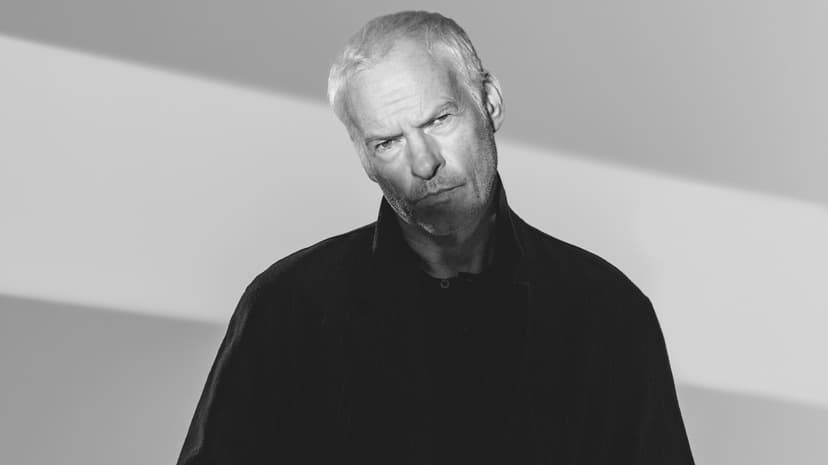
Martin McDonagh, celebrated for his intimate portrayals of extreme behavior, ventures into broader political territory with his fifth feature, 'Wild Horse Nine.' The film, released in theaters on November 6, centers on two CIA agents deployed to Chile in 1973. Their mission was to destabilize the nation following the election of President Allende, with a pivotal journey to Easter Island.
This narrative allows McDonagh to explore significant themes such as political power and the consequences of American foreign policy. Alongside these larger issues, the film retains McDonagh's characteristic focus on male friendship, ethical dilemmas, and sharp, often crude, humor. For McDonagh, these elements converge to form an expression of hope, a notion he finds counterintuitive yet meaningful.
The movie arrives amidst a global debate about America's role in the world. It revisits a period when the U.S. was often perceived as a force for good, a narrative common in Western upbringing. However, McDonagh's research into CIA activities, particularly their efforts to undermine a democratically elected government in Chile, leading to fifteen years of fascist rule, prompts reflection on the reliability of the West's moral narrative.


