Home / Arts and Entertainment / Art Prankster Cattelan: More Than Just Bananas & Gold Toilets
Art Prankster Cattelan: More Than Just Bananas & Gold Toilets
3 Sep
Summary
- Cattelan's art blends humor with profound commentary on society.
- His works like the banana and gold toilet gained global recognition.
- The Berlin show explores power, memory, and history's complexities.
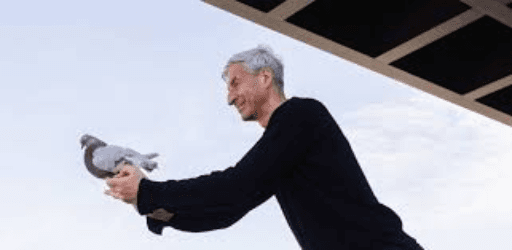
Maurizio Cattelan, famed for pranks like a $6.2 million banana and a stolen 18-carat gold toilet, is currently presenting his first major solo exhibition in Germany, titled "Night," at the Neue Nationalgalerie in Berlin. This exhibition, a result of winning the gallery's prestigious award, delves deeper than his well-known provocative pieces, exploring themes of power, collective memory, and history.
Cattelan, known for camouflaging profound seriousness with humor and the sublime with irony, collaborates with curator Lisa Botti for "Night." The show features new commissions alongside selected works from the past three decades, notably omitting his most famous "greatest hits." He states these past works belong to a "different conversation," emphasizing that his art has always been serious, though often misinterpreted as purely jests.
The exhibition utilizes its host city's scarred yet vibrant landscape as a backdrop. Works like "Never" (2003), featuring Oskar from "The Tin Drum," and "Purgatory," a miniature Brandenburg Gate, invite reflection on European history. Cattelan's controversial 2001 work "Him," a kneeling Adolf Hitler, is juxtaposed with "Dawn" (2007), a crucifixion-like female figure, alongside thousands of stuffed pigeons symbolizing a "menacing presence" or "optimism."
Cattelan divides his time between New York and Milan, observing a global resurgence in calls for strong leadership. He notes Italian Prime Minister Giorgia Meloni as a "cunning and astute politician," expressing a grudging admiration for her stability, which he contrasts with perceived failures of the left. He believes in addressing problems directly rather than relying on scapegoats.
Reflecting on his career, Cattelan, who rose from a working-class background without formal art training, sees Berlin as a homecoming, recalling his co-curation of the 2006 Biennale during the city's "poor but sexy" era. He acknowledges a period of intense pressure leading to a public "retirement" in the 2010s, followed by a powerful comeback. Despite the anxiety, he admits to a dependency on the "rush" and "hate" of creating exhibitions, calling it a "fix."
Cattelan does not actively plan for a lasting legacy, having no foundation or studio. He describes his artistic journey as "jumping into the void," finding that overcoming fear leads to a "fantastic dawn."


