Home / Arts and Entertainment / Arthouse Heist: Art Theft Goes Psychological
Arthouse Heist: Art Theft Goes Psychological
12 Dec, 2025
Summary
- Kelly Reichardt's film focuses on psychological toll, not heist mechanics.
- James Blaine Mooney attempts to steal four Arthur Dove paintings.
- The film is set in 1970s Massachusetts, inspired by a real 1972 robbery.
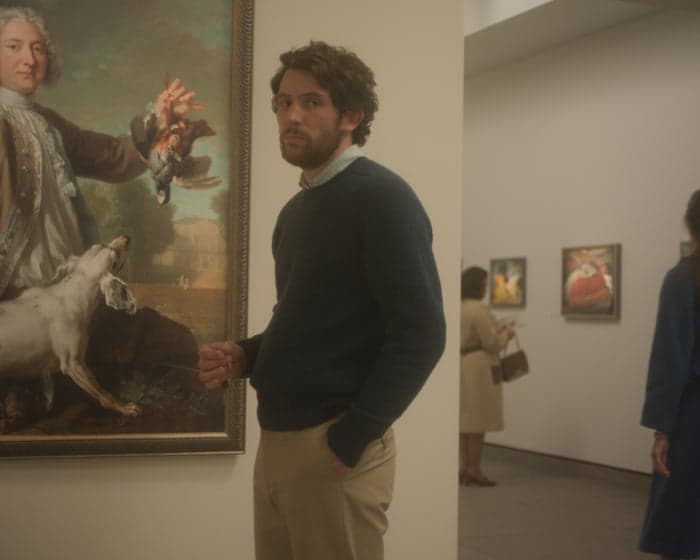
Director Kelly Reichardt's "The Mastermind" redefines the heist film by shifting focus from criminal mechanics to the psychological aftermath of theft. This arthouse take explores the mental toll on the individuals involved, particularly as greed complicates their carefully laid plans. The narrative centers on James Blaine Mooney, an unemployed carpenter, who orchestrates the theft of four Arthur Dove paintings from a museum.
Set against the backdrop of 1970s Massachusetts, the film draws inspiration from the 1972 Worcester Art Museum robbery. Reichardt employs her signature understated style, utilizing earthy tones and a deliberate pace, with Rob Mazurek's energetic jazz score providing a sense of urgency. The movie delves into the cynicism and social unrest of the era, using the heist as a metaphor for broader struggles.
Unlike traditional heist films characterized by machismo, "The Mastermind" presents a more grounded protagonist in Mooney, a struggling family man whose motivations are rooted in financial necessity. The film examines the lengths people go to when facing economic hardship, blurring the lines between genius and self-destruction, and ultimately exploring the universal themes of ambition and control.