Home / Arts and Entertainment / Mardi Gras: Blackstreet's Soul Overwhelms Glamour
Mardi Gras: Blackstreet's Soul Overwhelms Glamour
13 Feb
Summary
- Mardi Gras has two distinct celebrations: 'main street' and 'backstreet'.
- Backstreet traditions, from people of color, now define Mardi Gras.
- African American cultural traditions are core to Mardi Gras' essence.
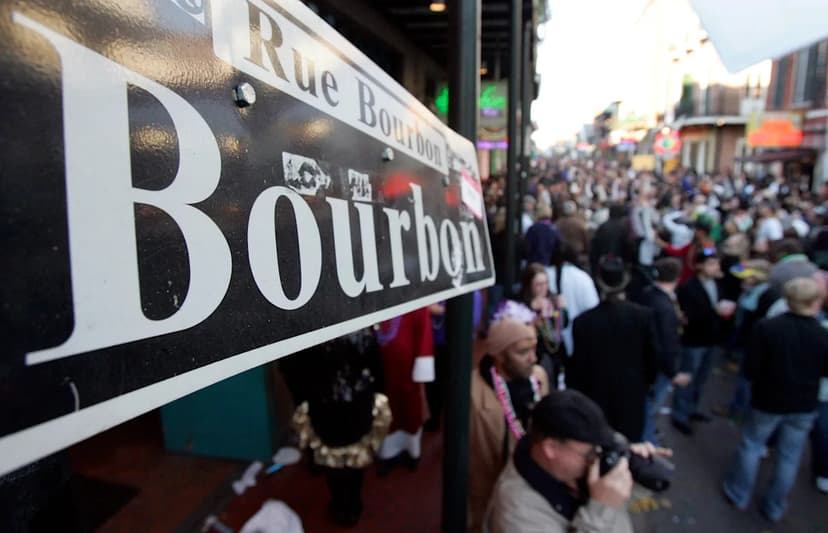
New Orleans' Mardi Gras encompasses both a "main street" spectacle and a "backstreet" tradition. The latter, celebrated by people of color in areas away from main thoroughfares, has profoundly influenced the festival's evolution. These "backstreet" customs, including the vibrant Mardi Gras Indians and second-line parades, are now integral to the contemporary celebration.
Historically, exclusive krewes focused on a more romanticized, elite facade. Meanwhile, across Rampart Street, traditions like the Baby Dolls, Skeletons, and Mardi Gras Indians flourished. These groups, with their distinct costumes and customs, formed the core of the Backstreet Cultural Museum's archives.
The "backstreet" traditions, such as "When the Saints Go Marching In" and the second line, have gradually been incorporated into the mainstream. While once segregated, African American krewes like the Zulu Social Aid & Pleasure Club began parading in 1915. Today, these cultural elements are embraced, though questions linger about honoring versus exploiting them.
Though Mardi Gras has ancient roots, its distinctive New Orleans character developed over time. The "backstreet" elements, originating from African and African American culture, are now widely acknowledged as the true soul of the festival. This shift reflects New Orleans' embrace of its diverse cultural heritage.