Home / Arts and Entertainment / Maine's Historic Opera Houses: Fires, Floods & Flourishing Arts
Maine's Historic Opera Houses: Fires, Floods & Flourishing Arts
29 Sep
Summary
- Maine opera houses, over 150 years old, show remarkable resilience.
- These venues function as vital community centers, not just art temples.
- Despite challenges like fires and floods, they remain active today.
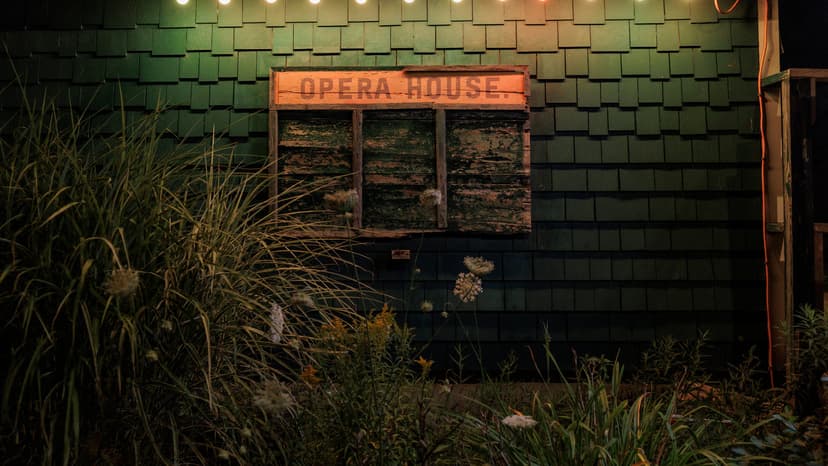
Maine's historical opera houses, many dating back to the late 19th century, are remarkable examples of community resilience and enduring entertainment. These structures, often simple and intimate with capacities between 250 and 800 seats, function as vital civic hubs rather than exclusive temples of high art. Many are municipally owned, operating akin to essential services.
Despite numerous challenges, including fires and occasional floods, these venues have been revitalized, primarily since the 1990s. The Waterville Opera House, opened in 1902, and Johnson Hall in Gardiner, the state's oldest operating opera house since 1864, exemplify this arc of disrepair and rebirth. Similarly, the Opera House at Boothbay Harbor and Camden Opera House, both established in 1894, and Stonington Opera House, rebuilt in 1912 after a fire, showcase this persistent community spirit.
These opera houses now offer varied programming, from concerts and plays to movie screenings and trivia nights, serving as cultural anchors in their towns. They represent a unique American tradition of communal life, adapting to changing entertainment landscapes while maintaining their historical significance and community-focused ethos. Their continued operation underscores a deep-seated commitment to local arts and culture.


