

Home / Arts and Entertainment / Venue Defies Recessions, Pandemics for Artistic Vision
Venue Defies Recessions, Pandemics for Artistic Vision
31 Mar
Summary
- Founded during the Great Recession, the venue persisted through challenges.
- It transformed a former nightclub space into a hub for diverse arts.
- The venue operates with a focus on innovative sound and flexible performance spaces.
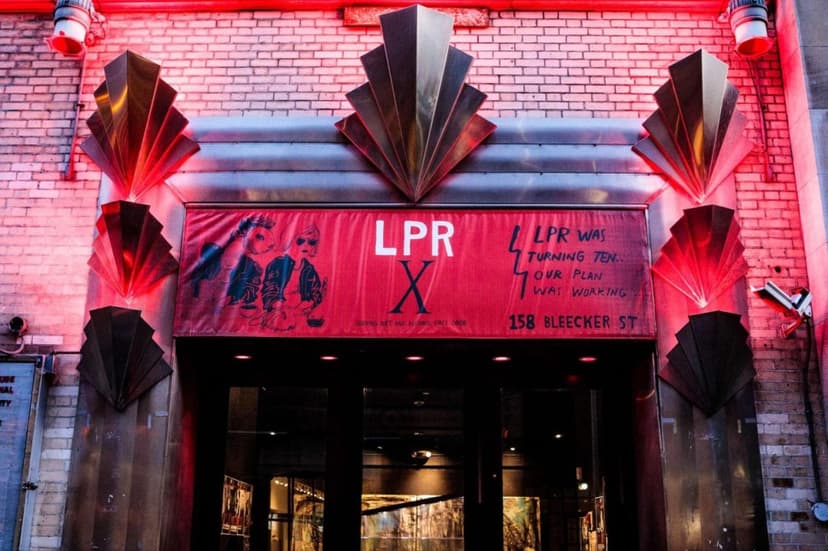
Opened in June 2008, (Le) Poisson Rouge (LPR) in Greenwich Village has navigated significant economic challenges, including the Great Recession and the recent pandemic, to maintain its status as a vital artistic space. Co-founder David Handler established the venue with a vision to present "heady" music in a welcoming environment, a departure from the shushing expected at traditional venues.
Despite initial skepticism from neighbors and the venue's history as a former nightclub, LPR, designed by acoustician John Storyk, was built for exceptional sound. It has since hosted a wide array of artists, from Yo-Yo Ma to Olivia Dean, and even accommodated unique requests like a phoneless Mumford & Sons show.
LPR has built a reputation for innovative programming, including flexible performance configurations and Boiler Room EDM events. The venue also serves as a sought-after spot for underplays by major artists shortly before their large-scale performances. Its resilience is further demonstrated through late-night events and strategic use of ticketing data to ensure financial viability.
Described as an "opera house with tattoos," LPR continues to operate with a scrappy and dedicated approach, prioritizing the creation of unique artistic experiences. The venue and its promotional arm, LPR Presents, regularly stage approximately 400 shows annually, underscoring their commitment to pushing artistic boundaries in New York City.
