Home / Arts and Entertainment / K-Pop's Hollywood Takeover: From H.O.T. to Oscars
K-Pop's Hollywood Takeover: From H.O.T. to Oscars
21 Mar
Summary
- K-pop's K-Pop Demon Hunters won Best Animated Feature at the Oscars.
- South Korea strategically built a cultural export industry over decades.
- Fan engagement is key to K-pop's global success and influence.
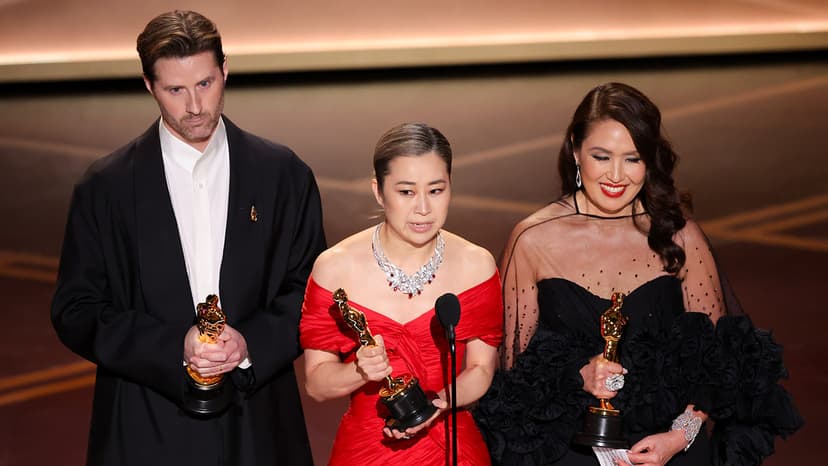
The global rise of K-culture, exemplified by "K-Pop Demon Hunters" winning an Oscar for Best Animated Feature, represents a deliberate, decades-long effort by South Korea. This strategic push transformed the nation into a cultural powerhouse.
In the 1990s, South Korea recognized the economic potential of cultural exports, akin to its success in electronics and automobiles. Government subsidies and protective policies fostered a robust entertainment industry capable of international reach.
Miky Lee, a key figure, facilitated a pivotal investment in DreamWorks, which aided in building Korea's film infrastructure. This allowed directors to hone their craft before achieving global recognition, as seen with "Parasite."
Netflix played a crucial role by providing a global distribution platform for original Korean content. Hits like "Squid Game" and "K-Pop Demon Hunters" found massive international audiences, accelerated by a generation seeking authentic, diverse content.
Korean creators, constrained by smaller budgets, focused on narrative craft and discipline. This resulted in compelling stories that resonated globally, unlike Hollywood's spectacle-driven approach. The fan-engagement model, pioneered by groups like BTS, transformed fans into active participants in an artist's success.
This cultural wave extends beyond music and film, influencing fashion and beauty. The emotional honesty and unique storytelling, often rooted in the concept of "han"—a deep-seated sorrow—resonate with international audiences.
Korean Americans also play a vital role, bridging cultural gaps and producing content that feels authentic to both worlds. This synthesis is evident in projects that don't overexplain Korean culture but integrate it seamlessly.
Hollywood is now collaborating with, rather than competing against, Korean talent. The question remains whether the machinery behind K-culture's success, particularly its authenticity and creative hunger, can withstand its own global popularity and potential oversaturation.