

Home / Arts and Entertainment / India's Art Olympics Return: A Soft Power Statement
India's Art Olympics Return: A Soft Power Statement
26 Apr
Summary
- India returns to Venice Biennale after seven years with a national pavilion.
- Pavilion highlights lesser-known contemporary artists, challenging stereotypes.
- Theme of 'home' explores Indian identity amidst global migration and urban change.
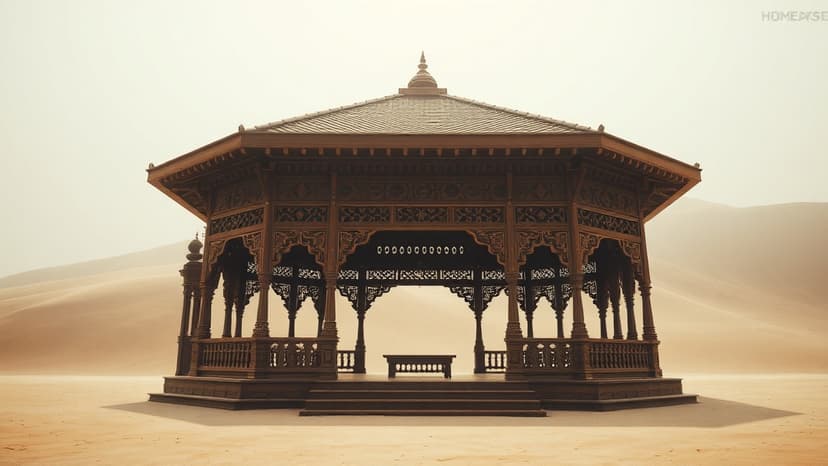
India has returned to the Venice Biennale, an event sometimes referred to as the 'Art Olympics,' after a seven-year absence. The nation's national pavilion aims to assert its cultural presence on this significant global platform. Curator Amin Jaffer stated that India's previous absence was keenly felt, leaving a void for global audiences.
The pavilion features five contemporary artists who are less familiar to the wider public but recognized internationally. This selection deliberately pushes back against stereotypes of Indian art as solely figurative or decorative. Jaffer emphasized that the displayed works are conceptually rich and rooted in ancient Indian materials and techniques, yet possess a fresh, contemporary execution.
A key focus of the pavilion is the theme of 'home.' This concept explores Indian identity, particularly in the context of migration and the maintenance of cultural roots across geographical distances. Artists like Sumakshi Singh, Alwar Balasubramaniam, and Tashi address themes of urban transformation, the relationship with land, and the impact of modernity on traditional living spaces.
Beyond the pavilion, a broader Indian cultural presence is visible in Venice. Several Indian artists and organizations are participating in parallel exhibitions and events, including Nalini Malani, Dayanita Singh, and Amar Kanwar. This expansive engagement aims to offer diverse encounters with Indian culture across the city.
The value of Indian art, while rising as seen in record sales, is still considered to be in its early stages. Jaffer suggests that as India's economy grows, so will the value of its art. He stressed the importance of institutional recognition through museums and global platforms like Venice for establishing Indian art's international significance.
Jaffer connected the pavilion's theme of 'home' to the Biennale's overarching theme, 'In Minor Keys.' He described 'minor keys' as tender, self-reflective, and elegiac, aligning with the introspective nature of questions about belonging and the multifaceted definition of home. The project highlights a successful public-private collaboration between the Ministry of Culture and private institutions like NMACC and Serendipity Arts Foundation.
