Home / Arts and Entertainment / India's Living Masks: Rituals Come Alive
India's Living Masks: Rituals Come Alive
22 Feb
Summary
- Documentary highlights India's ritual mask traditions as living heritage.
- Masks transform performers into mythic figures during festivals.
- Fragile mask traditions face decline due to migration and other factors.
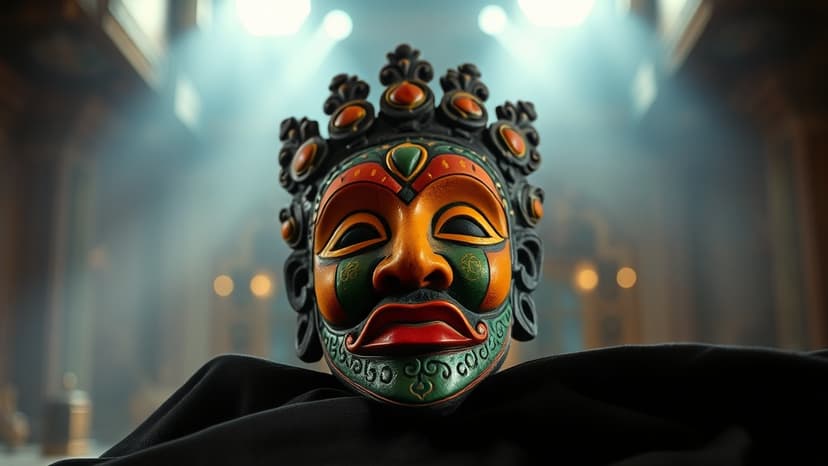
A new documentary, "Masklore of India," directed by Indranil Sarkar, is illuminating India's rich tradition of ritual masks. The film travels across the country to showcase these masks not merely as crafts but as vital instruments of ritual, storytelling, and community identity.
Across regions like West Bengal, Odisha, Assam, Nagaland, Arunachal Pradesh, Sikkim, Uttarakhand, and Kerala, these masks continue to bring mythological performances to life. They are integral to festival celebrations, devotional practices, monastic ceremonies, and local deity worship, merging music, incense, and storytelling.
"Masklore of India" emphasizes that these masks are active cultural vessels. During festival seasons, they emerge from storage to transform performers into divine or demonic figures, turning village squares into temporary ritual stages. The documentary also highlights the intricate labor and generational knowledge involved in their creation.
However, the film expresses concern for the preservation of these traditions. Factors such as migration, changing patronage, and the commodification of folk art are placing many mask-making and performance practices at risk. Without continued support and new practitioners, some forms face decline.
By documenting both the artistry and the ritual contexts, the film frames these masks as part of India's fragile intangible heritage. It poses a crucial question about what is lost when performative traditions and their supporting communities disappear in an era of urbanization and digital culture.