

Home / Arts and Entertainment / Beyond Jump Scares: India's Missing Masterpiece of Horror
Beyond Jump Scares: India's Missing Masterpiece of Horror
21 Apr
Summary
- Indian cinema blends genres; pure horror remains a struggle.
- Historical Indian horror films succeeded without gimmicks.
- Regional films like Bramayugam show pure horror's potential.
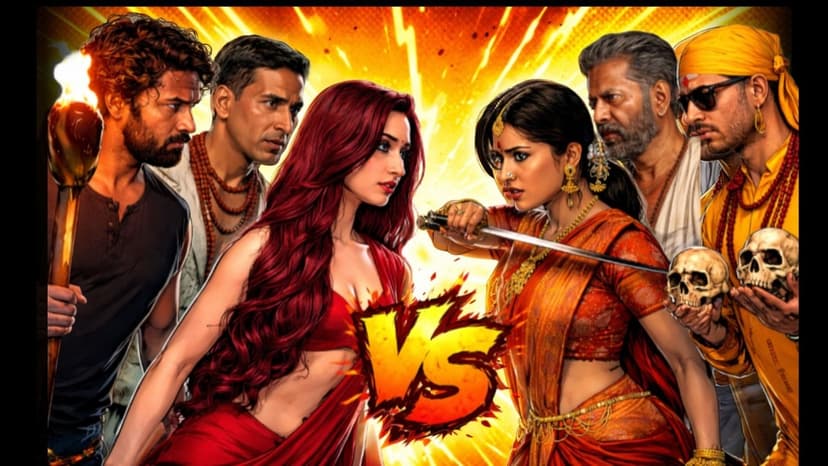
Bhooth Bangla's recent success highlights a persistent paradox in Indian cinema: the struggle with pure horror. While audiences enjoyed its scares, the film reflects a broader industry trend. Indian films typically embrace a multitude of genres, akin to a culinary thali, offering variety over singular focus.
Historically, films like Mahal and Bees Saal Baad achieved success by committing to atmospheric horror. The Ramsay Brothers further proved the commercial viability of low-budget, fear-driven cinema. However, this commitment has waned in mainstream Bollywood.
Modern successes often lie in horror-comedy, like Stree 2 and Bhool Bhulaiyaa 2, which use horror as a backdrop rather than the main attraction. This strategy appeals to broader audiences, but compromises the genre's integrity.
Regional cinema offers a counter-narrative. Malayalam's Bramayugam and Telugu's Virupaksha achieved significant success by grounding horror in local folklore and maintaining technical seriousness, proving pure horror's mainstream appeal.
Hollywood franchises like The Conjuring have also performed exceptionally well in India, demonstrating a clear audience demand for unadulterated scares. The commercial triumph of Shaitaan, a remake, further underscores this potential, albeit with imported creative courage.
The core issue appears to be a lack of conviction within the Hindi film industry. While the material—rich Indian folklore—and the audience exist, a trust in serving pure horror, free from the safety net of comedy or erotica, remains elusive.
