
Home / Arts and Entertainment / Lost India: 170-Year-Old Drawings Reveal Realities
Lost India: 170-Year-Old Drawings Reveal Realities
4 May
Summary
- Rare drawings by Schlagintweit brothers offer glimpse of 170-year-old India.
- Paintings capture realistic landscapes, buildings, and settlements.
- Art helps trace environmental and human impact changes over time.
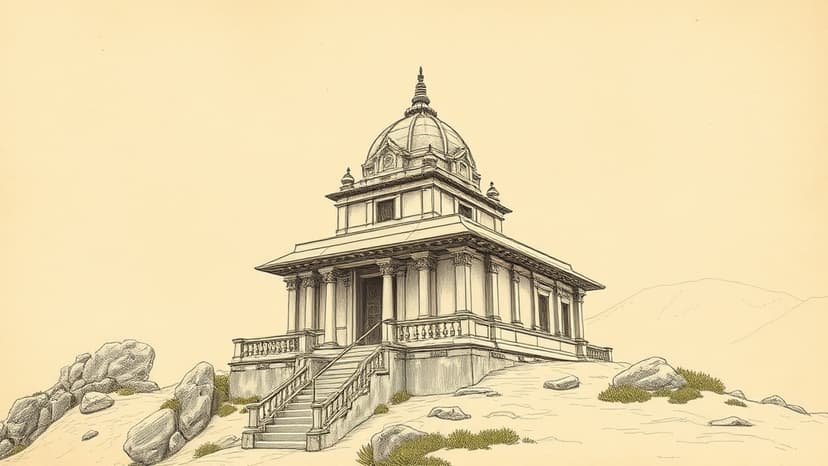
An exhibition at the Doon Library and Research Centre features 77 rare drawings by the Schlagintweit brothers, providing a realistic view of India from approximately 170 years ago. German geologists Hermann, Adolph, and Robert Schlagintweit created these works between 1854 and 1857 during a scientific survey mission. The collection meticulously documents landscapes, glaciers, trees, buildings, and settlements across various regions.
The brothers' scientific approach, encouraged by Alexander von Humboldt, resulted in depictions that differ significantly from the romanticized art common at the time. Their travels covered vast distances, adapting routes and capturing diverse scenes, including those of Kedarnath, Nainital, Baltistan, Ladakh, and Assam.
These historical drawings serve as crucial evidence for understanding environmental transformations and the effects of human activity over time. For instance, comparisons of drawings of Kedarnath reveal a shift from marshy land, as indicated by the name 'Kedar,' to heavily concretized areas, illustrating the consequences of excessive human interference on natural sites.
