Home / Arts and Entertainment / Wife's Tribute: Humayun's Tomb Redefined Architecture
Wife's Tribute: Humayun's Tomb Redefined Architecture
12 Feb
Summary
- Commissioned by Empress Bega Begum for Emperor Humayun in 1556.
- It was India's first grand garden tomb with a Persian charbagh layout.
- Introduced key Mughal architectural elements like symmetry and double dome.

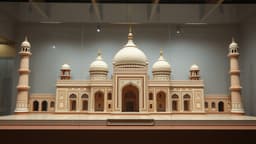
Humayun's Tomb, commissioned by his widow Empress Bega Begum in 1556, marked a significant departure in Indian architecture. This grand garden tomb, the first on the subcontinent, was designed by Persian architect Mirak Mirza Ghiyas, with support from Emperor Akbar. Its completion in the 1560s and inauguration in 1572 introduced the charbagh garden layout, symbolizing paradise, and showcased a striking red sandstone exterior with white marble inlays.
The tomb's design features, including its perfect symmetry and a prominent double dome, became defining characteristics of Mughal architecture. Situated on a high plinth and surrounded by water channels, it created an illusion of emerging from a garden. These innovations paved the way for later Mughal marvels.