Home / Arts and Entertainment / Locarno Festival Uncovers Hollywood's Darkest Chapter
Locarno Festival Uncovers Hollywood's Darkest Chapter
5 Aug
Summary
- Retrospective examines Hollywood's blacklist era, featuring affected artists.
- Curator highlights parallels between past hysteria and current media misuse.
- Exiled filmmakers developed unique styles blending European and American influences.
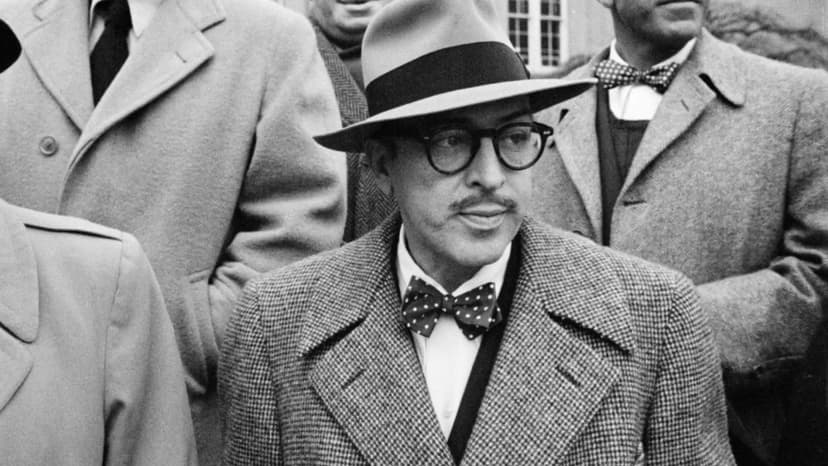
The Locarno Film Festival is hosting a retrospective titled "Red & Black: Hollywood Left and the Blacklist," delving into a dark chapter of Hollywood history. The program, curated by Ehsan Khoshbakht, showcases the work of directors, writers, and stars affected by the blacklist, including Joseph Losey and Dalton Trumbo. Khoshbakht noted his inspiration stemmed from understanding the motivations of individuals who chose activism over comfort.
The retrospective is noted for its contemporary resonance, as Khoshbakht observed parallels between the historical period's intolerance and current media manipulation, fear-mongering, and hysteria in the arts. He stressed that the program is not about political sides but about the consequences of abusing media and the prevalence of smear campaigns over rational dialogue. The blacklist caused severe personal and professional devastation, leading to health problems, broken families, suicides, and the suppression of potential great films.
Exile significantly altered the filmmakers' work, forcing them to adapt to different industry structures. This resulted in an eclectic fusion of European styles with American dynamism, evidenced in films like Joseph Losey's "Stranger on the Prowl." Some filmmakers thrived creatively, while others, like Bernard Vorhaus, faced ruin. The festival will screen rare films, including the pro-Soviet "Mission to Moscow" and "España otra vez," which addresses the Spanish Civil War from the defeated Republicans' perspective, and Joseph Losey's "The Intimate Stranger," a profound meditation on the blacklist.
Locarno is lauded for its commitment to showcasing classic cinema, providing prime venues and extensive support for the retrospective, including a book of essays and a podcast. This dedication to cinematic history, championed by festival director Giona Nazzaro, is further bolstered by partnerships with institutions like the UCLA Film & TV Archive, Cinémathèque suisse, and the BFI. The festival runs from August 5 to August 15.


