Home / Arts and Entertainment / Moore's Art Haven: From Wartime Refuge to Cultural Hub
Moore's Art Haven: From Wartime Refuge to Cultural Hub
23 Mar
Summary
- Henry Moore's home became a cultural ecosystem dedicated to his art.
- The Sheep Field Barn, a former storage space, is now a renovated gallery.
- The estate embraces 'frugal innovation' and sustainability in its design.

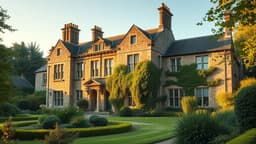
Henry Moore's wartime refuge in Perry Green, Hertfordshire, has evolved into a cultural sanctuary dedicated to his art. The estate, now managed by the Henry Moore Foundation, features studios and workspaces set within an Arcadian landscape, preserving his home, Hoglands, as he left it.
Central to the estate's ongoing narrative is the newly remodelled Sheep Field Barn. This former storage building, originally a steel-frame structure, has been transformed by architects DSDHA into a gallery space. It now hosts exhibitions, including a new show of his seminal Shelter Drawings, and offers expanded educational facilities.
The architectural renovation of the Sheep Field Barn emphasizes sustainability, using reclaimed timber and incorporating energy-efficient features like sheep's wool insulation and solar panels. This approach mirrors Moore's own philosophy of 'frugal innovation' and resourcefulness throughout his career.
The foundation also maintains Moore's various studios, retaining their original tools and materials, offering an intimate glimpse into his creative environment. The design of the renovated barn echoes Moore's artistic tendency to contain forms within other forms, a concept exemplified by his sculpture 'Large Upright Internal/External Form'.
Moore's legacy is being celebrated with the Sheep Field Barn renovation and an upcoming exhibition at Kew Gardens. His impact on art, breaking from Victorian romanticism, continues to resonate, with his sculptures even becoming interactive elements for both humans and animals.