Home / Arts and Entertainment / Ryusuke Hamaguchi's Epic: Capitalism, Cancer, and Connection
Ryusuke Hamaguchi's Epic: Capitalism, Cancer, and Connection
24 Nov
Summary
- Film explores friendship between nursing home director and dying theater director.
- A lengthy sequence details capitalism's impact on nature and humanity.
- Themes of healing, human connection, and systemic collapse intertwine.
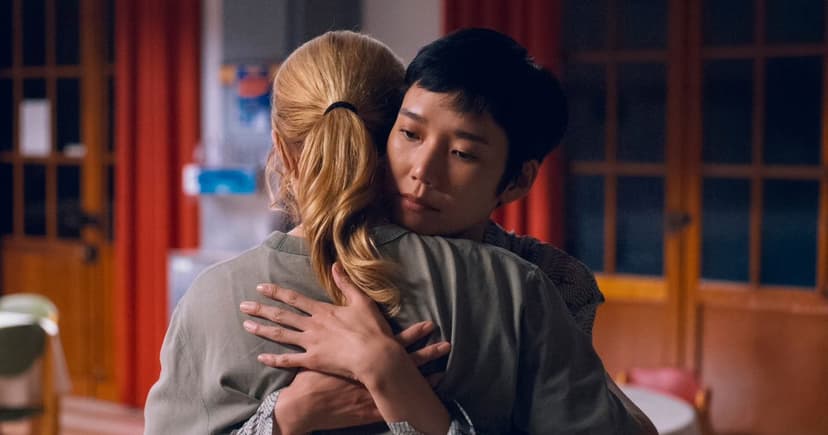
Ryusuke Hamaguchi's latest film, the 197-minute "All of a Sudden," arrives with significant anticipation following his Oscar-nominated "Drive My Car." The movie centers on the burgeoning friendship between Marie-Lou, a nursing home director in the Paris suburbs, and Mari Morisaki, an experimental Japanese theater director battling terminal cancer.
Their bond develops over an extended evening of profound discussions, notably including Mari's detailed, whiteboard-illustrated critique of capitalism's destructive tendencies. This lecture, delivered with rueful honesty, connects societal systems to her own failing body, suggesting a shared trajectory toward inevitable collapse.
Hamaguchi masterfully transforms didactic moments into mesmerizing human experiences, a technique also seen in his previous film "Evil Does Not Exist." "All of a Sudden" focuses on ordinary people grappling with complex philosophical subjects, capturing authentic conversations and human hesitations.
The film also examines Marie-Lou's efforts to implement a humane patient care approach called "Humanitude" at the nursing home, facing financial and practical hurdles. Mari's artistic ideals of making the impossible possible seem to offer a counterpoint to sudden systemic failure.
Ultimately, the film grounds its grand themes in tangible human interactions, including the significance of physical contact and healing through foot massages. The sensual yet healing nature of the women's friendship, with Mari encouraging the workaholic Marie-Lou to rest, underscores the film's exploration of life, death, and connection.


