Home / Arts and Entertainment / Grammys Shift: Non-English Albums Rise to Top
Grammys Shift: Non-English Albums Rise to Top
2 Oct
Summary
- Bad Bunny's album won Album of the Year, a rare non-English win.
- Rosalía's multilingual LUX is a strong contender for Album of the Year.
- Global music streams in Spanish have significantly increased in the US.
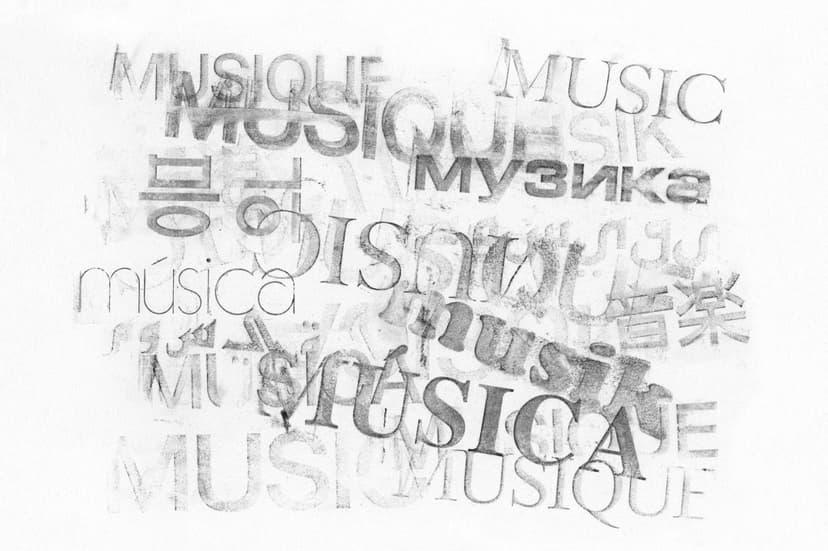
The Grammy Awards are experiencing a significant shift, with non-English language albums gaining unprecedented recognition. Bad Bunny's "De Pi Tirar Más Fotos" achieved a historic win for Album of the Year in 2026, marking only the second time an album primarily in a language other than English has received this honor. This win occurred nearly 60 years after "Getz/Gilberto" achieved the same in 1965.
This evolving landscape sees Rosalía's multilingual "LUX" generating considerable buzz as a potential Album of the Year contender for the upcoming 2027 awards. Similarly, BTS's "ARIRANG," sung in Korean and English, would have been a strong candidate had it been submitted, reflecting the increasing global appeal of non-English music.
This rise of global music is supported by data showing a decline in the dominance of English-language tracks. In the United States, nearly one in ten streams is now of music in Spanish, with casual listenership reaching 54% in the first quarter of 2026. Globally, music consumption is becoming more borderless, with "ARIRANG" topping charts in Europe.
The Recording Academy has been actively working to diversify its voting body since transforming its membership model in June 2019. This effort has led to increased representation for women, people of color, and younger members, fostering a more inclusive environment for all genres and languages. Latin music, in particular, has seen increased visibility, with more performances on the telecast and normalized presence of Spanish-language music.
"It's an undeniable moment in time where we are one world," states Rebeca León, Rosalía's former manager. The success of albums like "LUX" and "De Pi Tirar Más Fotos" underscores the growing appreciation for great artistry that transcends language barriers. The academy's evolution suggests a future where diverse musical expressions are celebrated, potentially leading to more non-English works being recognized at the highest levels.


