Home / Arts and Entertainment / How Coppola's Godfather II Changed Sequels Forever
How Coppola's Godfather II Changed Sequels Forever
14 Aug
Summary
- Godfather II's success redefined Hollywood's view of sequels.
- Coppola's sequel was a major investment, not a quick cash grab.
- The film explored themes of power, capitalism, and the American dream.
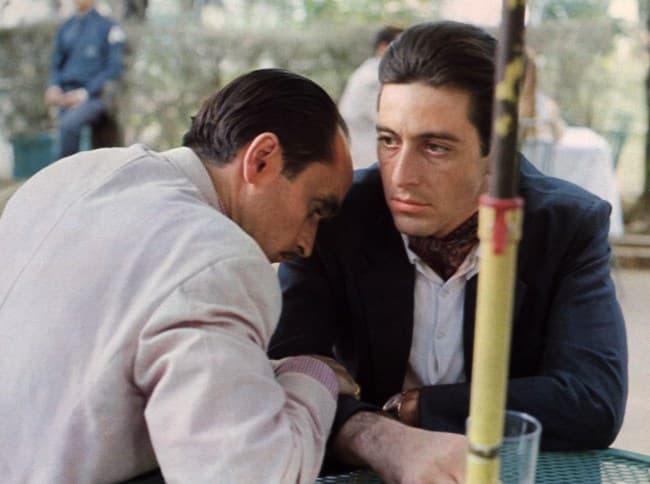
"The Godfather Part II" emerged in the early 1970s, a period when Hollywood desperately sought hits amidst declining movie attendance. Paramount, initially hesitant about Coppola's title choice, ultimately granted him extensive creative control, a stark contrast to the fraught production of the first film.
Coppola's vision for the sequel was unique, juxtaposing the rise of Vito Corleone with the descension of his son, Michael. This narrative structure, fueled by the discovery of the Lake Tahoe estate and the casting of Robert De Niro, allowed for a deeper exploration of power, capitalism, and the American dream.
The film's critical and commercial success, including six Oscars, cemented its legacy. "The Godfather Part II" demonstrated that sequels could be more than mere continuations, setting a precedent for auteur-driven franchises that continue to influence Hollywood today.


