Home / Arts and Entertainment / Goa's Goldsmiths: Renaissance Masters Unearthed
Goa's Goldsmiths: Renaissance Masters Unearthed
9 Feb
Summary
- Renaissance travelers praised Goa's goldsmiths as world's finest.
- Raulu Chatim, a Goan goldsmith, worked for Portugal's King Manoel I.
- Goan artisans blended local ecology with imported materials masterfully.
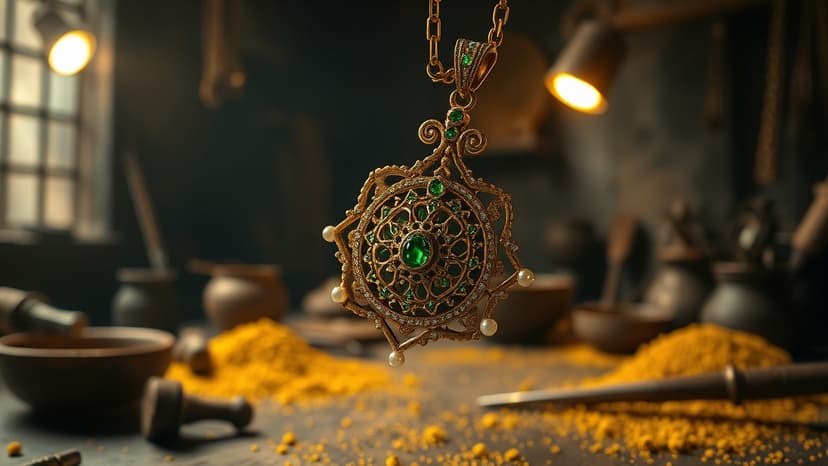
During the Renaissance, travelers recognized Goa's goldsmiths as masters whose skill exceeded even European artisans. This global reputation was bolstered by the import of gold, transforming local craftsmen into internationally acclaimed talents. One notable figure was Raulu Chatim, a Goan goldsmith celebrated in 16th-century histories.
Chatim's exceptional abilities were recognized shortly after the Portuguese conquest, leading to his service in Lisbon for King Manoel I. Upon returning to Goa, he received a pension and the distinction of owning a horse. His work, along with that of other Goan artisans, supplied international demand for luxury items.
Goa's artistic legacy was shaped by its unique ecology and the ingenuity of its makers. Artisans harmonized with the Konkan coast's rhythm, utilizing materials like laterite stone and oyster shells for lime plaster. This deep connection to natural resources defined Goa's distinctive architectural and artistic palette.
Beyond goldsmiths, Goa was a hub for builders, carpenters, painters, and sculptors who collaborated across diverse communities. Their practices evolved from pre-Portuguese eras, absorbing influences from various sultanates and temple traditions. This rich history demonstrates Goa's long-standing importance as a center for artistic production.
Conventional labels like "Indo-Portuguese" fail to capture the complexity of Goan creativity. The region absorbed diverse influences from Islamic metalworkers, Hindu builders, European visitors, and migrant communities. This created a layered, hybrid artistic language deeply rooted in its place.