Home / Arts and Entertainment / Ghost Holds Prison System Accountable in New Thriller
Ghost Holds Prison System Accountable in New Thriller
10 Feb
Summary
- Supernatural horror film uses prison setting to mirror societal hierarchies and power dynamics.
- Environmental destruction and judicial inequality are woven into the narrative's fabric.
- The ghost acts as an agent of consequence, not just a metaphor for injustice.
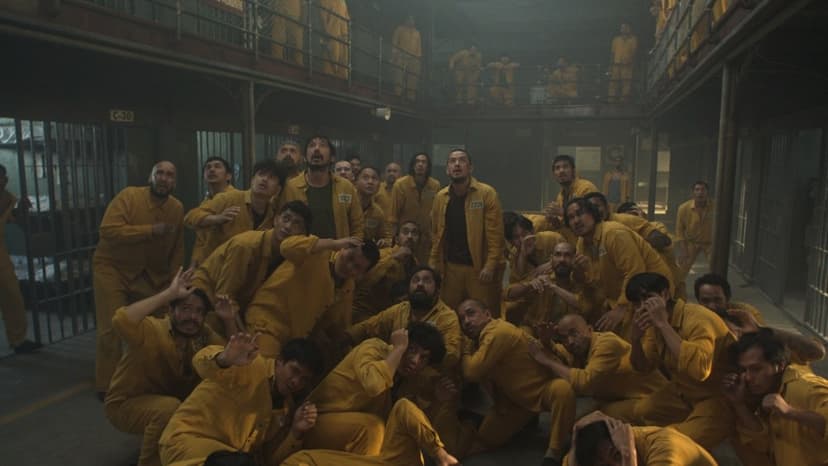
Filmmaker Joko Anwar's "Ghost in the Cell" employs supernatural horror within a prison to expose societal anxieties about corruption and environmental destruction. The film's setting functions as a microcosm of societal hierarchy and power dynamics. A vengeful supernatural entity targets inmates with dark auras, driving the narrative.
Anwar deliberately integrates environmental and judicial inequality, stating these realities are the origins of horror. The ghost is portrayed as an active character with intent and intelligence, serving as an agent of consequences rather than a mere metaphor. Managing the ensemble cast required detailed character backstories and group rehearsals.
The film aims to provoke thought on institutional complicity, urging audiences to question who systems protect and why societal ills become normalized. "Ghost in the Cell" is a collaborative production featuring Come and See Pictures, Rapi Films, Barunson E&A, and Legacy Pictures.