Home / Arts and Entertainment / German Thrash: Beyond the Speed Limit
German Thrash: Beyond the Speed Limit
18 Mar
Summary
- German thrash bands prioritized raw aggression over technical skill.
- Bands rehearsed in unconventional locations like coal mines and factories.
- Teutonic thrash heavily influenced later death and black metal genres.
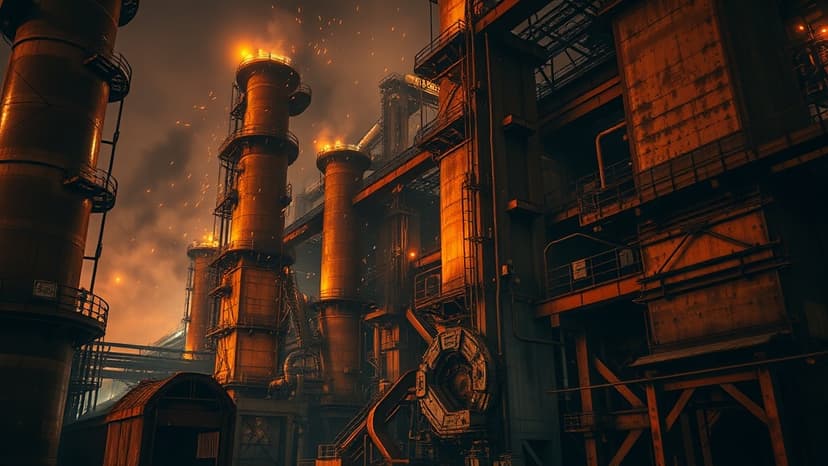
In 1986, as thrash metal exploded globally, German bands Kreator, Sodom, and Destruction carved out a distinctively harsher sound. Emerging from industrial cities like Essen and Gelsenkirchen, these acts embraced unbridled aggression, often rehearsing in former coal mines and steelworks. Their sophomore albums and debut LPs that year showcased a commitment to speed and brutality, prioritizing impact over technical finesse.
These Teutonic thrash pioneers found inspiration in Venom and hardcore punk, developing a sound that was faster and meaner than many of their American peers. Despite facing derision from the press and conservative environments, they built scenes and gained international exposure, even learning survival tips from bands like Slayer. Their music, often reflecting the tensions of a divided Germany, significantly influenced the subsequent generations of death and black metal musicians.
As the music scene evolved through the 90s, these bands adapted, experiencing both challenges and a resurgence in the 2000s thanks to a revival of classic thrash. Today, Kreator is active with new music and tours, Destruction continues to perform internationally, and Sodom is on a temporary hiatus. Their legacy endures, with their raw, aggressive sound continuing to inspire and fuel the extreme metal genre.