Home / Arts and Entertainment / Fleetwood Mac's 1975 Masterpiece: A Fusion of Two Worlds
Fleetwood Mac's 1975 Masterpiece: A Fusion of Two Worlds
17 Oct
Summary
- The 1975 album marked a pivotal fusion of British blues and American folk-rock.
- Lindsey Buckingham and Stevie Nicks transformed the band's musical direction.
- The Super Deluxe Edition enhances the album with alternate takes and live material.
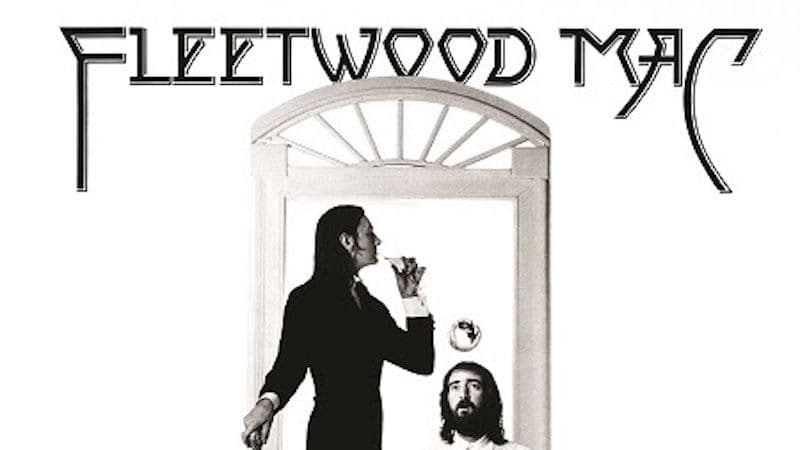
The 1975 self-titled album by Fleetwood Mac emerged as a significant pop-rock statement, uniquely blending two distinct musical spheres. Prior to this release, the band had nearly a decade of history, but the arrival of Lindsey Buckingham and Stevie Nicks fundamentally altered their trajectory.
This transformation is well-documented, but the Super Deluxe Edition, featuring additional discs of alternate takes and live recordings, helps to revitalize the familiar narrative. The album's creation was essential to understanding its context, standing at the crossroads of divergent rock aesthetics.
While the band's early years saw various personnel changes and a focus on blues, the integration of Buckingham and Nicks introduced a dreamy folk sound and sharp pop sensibilities. This American duo's style was a stark contrast to the band's British blues origins.
Despite internal dynamics, the album became a synthesis of '60s ideals, including hippie mysticism and pop pragmatism. The bonus materials in the Super Deluxe Edition highlight the band's effort in achieving this fusion, with early versions and live tracks showcasing their transition from blues roots to polished pop.
Ultimately, the 1975 Fleetwood Mac album is celebrated as a work of convergence. Songs like Stevie Nicks' "Rhiannon" exemplify the boundless possibilities within the record, ensuring its thrilling resonance long after its release.


