Home / Arts and Entertainment / How Fleabag Rewrote the Rules of TV
How Fleabag Rewrote the Rules of TV
21 Jul
Summary
- Fleabag premiered a decade ago, becoming a cultural phenomenon.
- It paved the way for complex female-led shows and diverse voices.
- The show's fourth-wall breaks and 'messy woman' trope sparked debate.
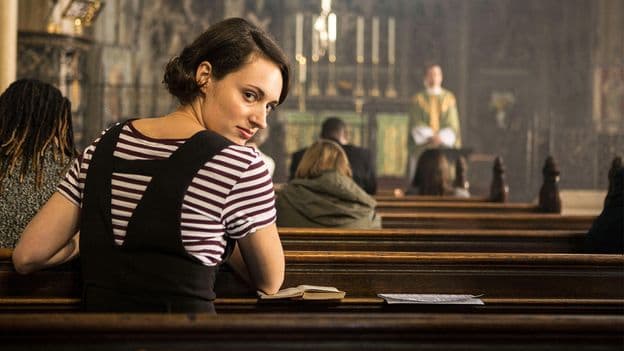
A decade ago, Phoebe Waller-Bridge's groundbreaking dark comedy, Fleabag, first aired, evolving from a stage sketch into a globally acclaimed television series. The show, which concluded its two-season run on Prime Video, is now widely recognized as a landmark in television history.
Fleabag's success, alongside other contemporary series, signaled a significant shift in the industry. It demonstrated a strong demand for female-driven narratives, previously underrepresented in the male-dominated television landscape. This paved the way for a wave of edgy, complex female-created shows in the UK.
Showrunners like Michaela Coel and Aisling Bea, and writers such as Candice Carty-Williams, have seen their work flourish, directly or indirectly influenced by Fleabag's impact. The series also provided a platform for emerging talents, including director Emerald Fennell, who later oversaw a season of 'Killing Eve'.
Central to Fleabag's impact was its depiction of a uniquely flawed heroine, grappling with grief and self-destruction through alcohol and casual encounters. This portrayal challenged traditional onscreen representations of women, allowing for more unapologetically "messy" characters.
However, the "messy woman" archetype inspired by Fleabag has drawn criticism for potentially becoming a reductive trope. Critics argue that while the show offered a realistic portrayal of millennial female experience, its successors sometimes flattened characters into predictable stereotypes.
Furthermore, Fleabag's distinctive use of breaking the fourth wall, a device inherited from its theatrical origins, sparked both admiration and controversy. While some shows have successfully emulated this technique, others have faced derision for its perceived gimmickry, with development executives now often advising against its use.
Discussions also arose regarding the show's perceived exclusivity, with some critics noting its focus on a "posh girl" narrative. While Waller-Bridge has emphasized her desire to encourage creativity regardless of background, the legacy of Fleabag continues to fuel conversations about class and representation in television.
Nevertheless, the series' exploration of trauma and its protagonist's internal struggles resonated deeply, influencing how complex characters are developed. Despite debates surrounding its tropes and representation, Fleabag undeniably altered the television landscape, paving the way for richer, more diverse storytelling.


