

Home / Arts and Entertainment / Filipino Migrants' Lives Unearthed in DC
Filipino Migrants' Lives Unearthed in DC
1 Apr
Summary
- Steamer trunks revealed lives of Filipino migrants from the 1910s.
- Exhibition showcases the Manong Generation's community and activism.
- Items like suits and hats show dignity amid hardship and exclusion.
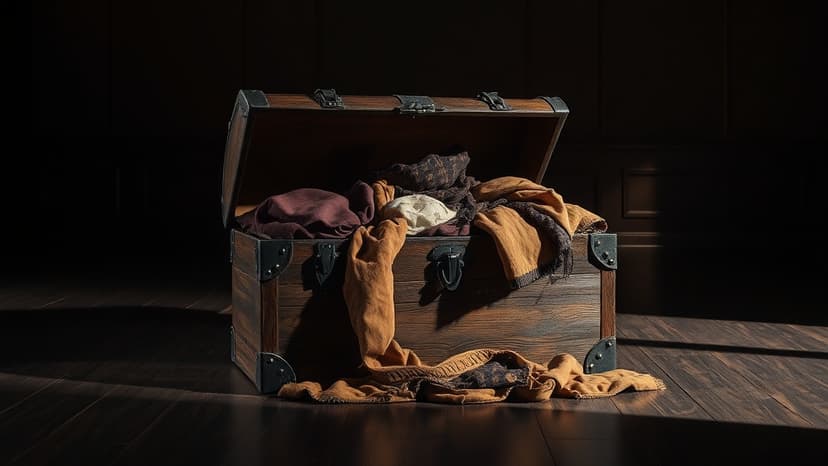
The National Museum of American History in Washington D.C. is hosting an exhibition titled "How Can You Forget Me: Filipino American Stories." This show features the contents of 26 steamer trunks discovered in Stockton, California, offering a profound glimpse into the lives of Filipino migrants who arrived in the U.S. as early as the 1910s. These trunks, preserved by the Legionarios del Trabajo, contain more than just remnants of labor; they reveal personal items like three-piece suits and hats, demonstrating the migrants' efforts to present themselves with dignity and respectability.
The exhibition focuses on the "Manong Generation," early Filipino laborers primarily in California and Hawaii. Curator Sam Vong aims to showcase their full humanity, moving beyond their roles as farm workers to highlight their vibrant community, activism, and their pursuit of the American Dream. Objects, including a beauty pageant dress, illustrate the community's support networks and the significant, though often overlooked, role of women.
These migrants navigated significant challenges, including racial exclusion laws and anti-miscegenation statutes. Despite these difficulties, they meticulously crafted an image of success and assimilation, sending stylized photographs back home and emulating American culture and movie stars. The exhibition's timing coincides with contemporary debates on immigration and national identity, yet Vong emphasizes the enduring importance of telling these human stories.
The exhibition has resonated deeply with visitors, particularly descendants of immigrants, who often connect the displayed items to their own families' journeys. The Smithsonian Asian Pacific American Center's presentation encourages visitors to become their own historians, fostering a deeper engagement with Filipino American heritage and the broader narrative of the American Dream.
