Home / Arts and Entertainment / Golf Course Exposes Philippines' Class War
Golf Course Exposes Philippines' Class War
27 Aug
Summary
- Film uses a golf club to explore land and class divides in the Philippines.
- Wealthy families exploit loopholes in land reform, displacing farmers.
- Movie highlights stark contrasts between urban poverty and exclusive suburbs.
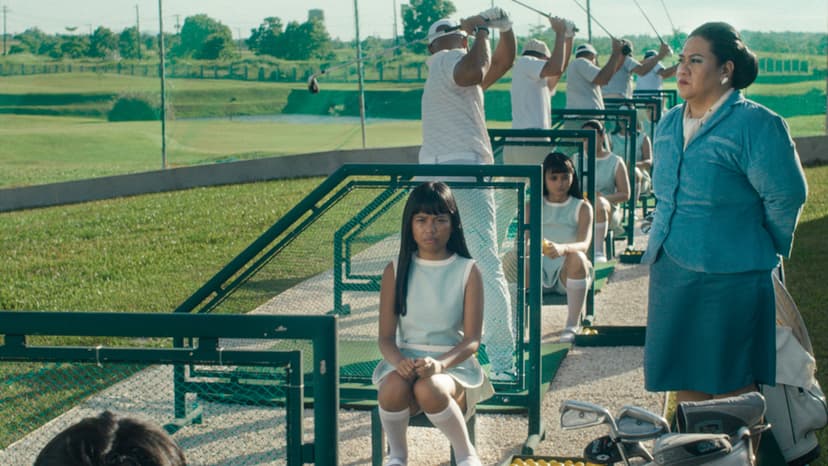
Rafael Manuel's debut feature film, "Filipiñana," which premiered in January, uses a golf club to explore the Philippines' significant divides over land and class. The narrative follows Isabel, a 17-year-old girl from a rural province, who takes a job at a club near Manila after her family loses their farmland. The film draws parallels to HBO's "The White Lotus" by satirizing wealthy enclaves and the tensions between guests and staff.
The movie delves into the concentrated ownership of land by wealthy Filipino families and the historical displacement of tenant farmers. Many farmers who received land through a 1988 agrarian reform program have since sold it back due to a lack of support. Powerful families have utilized loopholes to retain vast estates, some of which are now developed into industrial hubs, gated communities, and golf courses.
Manuel, inspired by his parents' golfing, chose golf courses as a setting to represent large, fertile lands enjoyed by only a select few. The film contrasts scenes of Manila's congestion with the spacious exclusivity of its suburbs. Interior scenes were filmed in Brutalist-style clubhouses to reference the 1960s and 1970s, suggesting a lack of change since then.
"Filipiñana" won a special jury award at Sundance for its "insidious tension between luxury and labor." The film's deliberate slow pace mirrors the stagnant social change in the Philippines, from its revolution against Spanish rule to the 1986 uprising that ousted Ferdinand E. Marcos.


